Pocket Square: A Classic Accessory in Men’s Fashion
Pocket Square: A Classic Accessory in Men’s Fashion
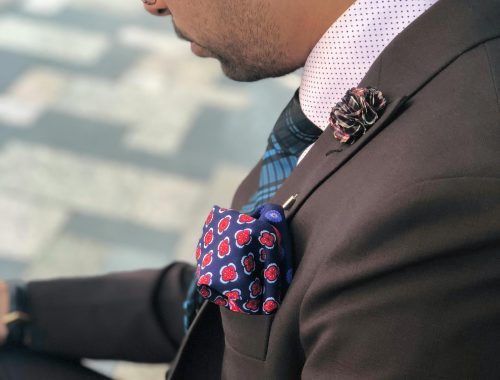
A pocket square, also known as a pocket handkerchief, is a small square piece of fabric worn in the breast pocket of a jacket, blazer, or suit. Though simple in appearance, it plays a significant role in enhancing personal style and adding elegance to formal and semi-formal attire.
Definition and Features
A pocket square is essentially a decorative cloth accessory placed in the chest pocket of a suit. Unlike traditional handkerchiefs used for hygiene, the pocket square is primarily aesthetic in purpose, designed to complement an outfit rather than serve a functional role. Click here for Men’s Pocket Square
Typically, pocket squares are made from materials such as:
- Silk
- Cotton
- Linen
- Wool
They come in a wide range of colors, patterns, and designs, allowing wearers to express individuality and refine their overall look.
Historical Background
The origins of the pocket square can be traced back to ancient civilizations. Some historians believe that early versions existed in Ancient Egypt, where dyed linen cloths symbolized wealth and status.Others link its roots to Ancient Greece and Rome, where cloths were used for personal hygiene or carried as perfumed items.
During the Middle Ages and Renaissance, handkerchiefs became popular across Europe, often made from fine fabrics and treated as luxury items. Click here for Mens Pocket Square
The transformation into the modern pocket square occurred in the 19th century, when men began placing clean handkerchiefs in their jacket breast pockets, separating them from those used for practical purposes.
Pocket squares reached peak popularity in the early to mid-20th century (1920s–1960s), frequently worn by Hollywood icons and well-dressed gentlemen. Although their everyday use declined with the rise of casual fashion, they experienced a revival in the late 2000s and remain an important accessory in formal wear today.
Styles and Folding Techniques
One of the defining features of a pocket square is the variety of ways it can be folded. These folds influence the overall look of an outfit, ranging from simple and elegant to bold and expressive. Common styles include:
Presidential (Flat Fold): A clean, straight fold suitable for formal occasions
Puff Fold: A relaxed, rounded style for a casual yet stylish appearance
Winged Fold: A more decorative fold adding flair to formal wearThe choice of fold depends on the occasion, outfit, and personal preference.
Role in Modern Fashion
Today, the pocket square is regarded as a symbol of sophistication and attention to detail. It allows individuals to:
- Add color and contrast to an outfit
- Express personality through patterns and fabrics
- Elevate even a simple suit into a polished look
Stylists often recommend that a pocket square should complement rather than exactly match other elements like ties or shirts, creating a balanced and visually appealing ensemble.
Conclusion
The pocket square has evolved from a practical handkerchief into a refined fashion accessory with a rich historical background. While small in size, it has a significant impact on style, offering a timeless way to enhance formal attire. Whether worn with a classic suit or a modern blazer, the pocket square continues to represent elegance, creativity, and sartorial sophistication.
Table Decor Ideas: A Complete Guide to Stylish and Creative Table scapes
Table Decor Ideas: A Complete Guide to Stylish and Creative Table scapes
Table Decor is an essential part of interior styling and event planning. Whether for everyday dining, festive celebrations, or formal gatherings, a well-decorated table enhances the overall ambiance and creates memorable experiences. The art of arranging decorative elements on a table is often referred to as tablescaping, which involves combining aesthetics, functionality, and creativity.
Understanding Table Decor
At its core, table Decor combines both functional and decorative elements. Items like plates, glasses, and cutlery fall under tableware, while decorative additions such as centerpieces, candles, and linens enhance visual appeal.
One of the most fundamental components is the tablecloth, which serves both protective and ornamental purposes. Historically, tablecloths date back to around 100 AD and became symbols of elegance during medieval feasts, especially in wealthy households.
Key Elements of Table Decoration
1. Table Linens
Table linens include tablecloths, runners, and placemats. They set the foundation for your Decor theme. Neutral linens create a minimalist look, while bold colors or patterns can make the table vibrant and eye-catching. Click Here for Table Decor Accessories in India
2. Centerpieces
Centerpieces are the focal point of table Decor. Popular options include:
- Fresh flowers or greenery
- Candles and lanterns
- Fruits or seasonal items
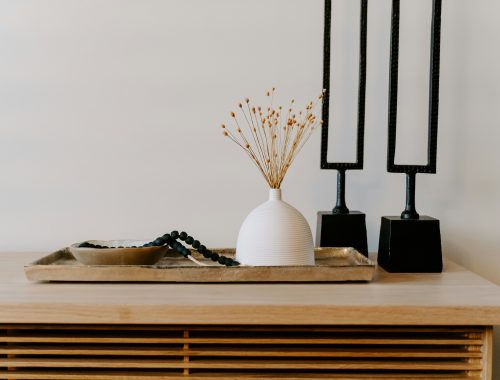
Modern trends encourage creative centerpieces such as edible displays or sculptural Decor, adding both beauty and functionality.
3. Tableware Arrangement
Proper arrangement of plates, glasses, and cutlery is crucial, especially for formal settings. A well-organized layout not only looks elegant but also improves the dining experience.
4. Lighting
Lighting plays a major role in setting the mood. Soft candlelight creates a warm and intimate atmosphere, while decorative lights or lamps can add a festive touch.
5. Personal Touches
Customized napkins, place cards, or themed decorations make the table unique and memorable. Personalized elements are especially popular for weddings and family gatherings.
Popular Table Decor Ideas
1. Minimalist Elegance
Use a simple color palette (white, beige, or pastel tones) with clean lines and minimal accessories. This style focuses on sophistication and clarity.
2. Rustic Charm
Incorporate natural materials like wood, burlap, and greenery. Add elements such as pinecones, wildflowers, or handmade Decor for a cozy, organic feel.
3. Floral-Themed Tables
Flowers remain a timeless choice. From subtle arrangements to bold floral runners, they add freshness and color to any table setting.
4. Seasonal Decor
Adapt your table Decor according to seasons:
- Spring: Pastels and fresh blooms
- Autumn: Leaves, pumpkins, and warm tones
- Winter: Candles, evergreens, and metallic accents
Seasonal elements keep the Decor dynamic and relevant.
5. Mix-and-Match Style
Combining different textures, colors, and materials creates a unique and eclectic look. This modern approach encourages creativity and breaks traditional rules.
6. Formal Dining Setup
For formal occasions, use coordinated tableware, elegant linens, and symmetrical arrangements. Candles and refined centerpieces enhance the luxurious feel.
Modern Trends in Table Decor
Recent trends highlight that table Decor is no longer just functional—it is a centerpiece of social interaction and visual storytelling. Creative use of layered linens, textured glassware, and artistic lighting transforms tables into conversation starters.
Additionally, sustainability is gaining importance, with many people opting for reusable Decor, natural materials, and DIY elements.
Tips for Perfect Table Decoration
- Maintain balance avoid overcrowding the table
- Match Decor with the occasion and theme
- Use varying heights for visual interest
- Ensure practicality leave enough space for dining
- Coordinate colors and textures harmoniously
Conclusion
Table Decor is a blend of tradition, creativity, and personal expression. From historical tablecloth traditions to modern table scaping trends, decorating a table has evolved into an art form that enhances both everyday meals and special occasions. By thoughtfully combining elements like linens, centerpieces, and lighting, anyone can create a visually stunning and inviting table setting.