All You Need to Know About Non Return Valve
In any fluid backflow valve system, controlling the direction of flow is just as important as controlling the pressure or volume. One of the most essential components used for this purpose is the Non Return Valve (NRV). It plays a key role in protecting pipelines, pumps, and equipment from damage caused by reverse flow.
In this guide, we will explain everything you need to know about non return valves factory, including nrv valve how they work, their types, benefits, and applications.
💡 What is a Non Return Valve?
A Non Return Valve, also known as a check valve, is a device that allows fluid to flow in only one direction. It automatically prevents backflow, ensuring that the system operates safely and efficiently.
Unlike other valves, an NRV does not require manual operation. It works automatically based on the pressure of the fluid.
⚙️ How Does a Non Return Valve Work?
The working of a non return valve is simple and effective.
- When fluid flows in the correct direction, the valve opens automatically
- When the flow stops or reverses, the valve closes immediately
This automatic action helps prevent reverse flow, which can cause damage to pumps, pipelines, and other equipment.
🔑 Types of Non Return Valves
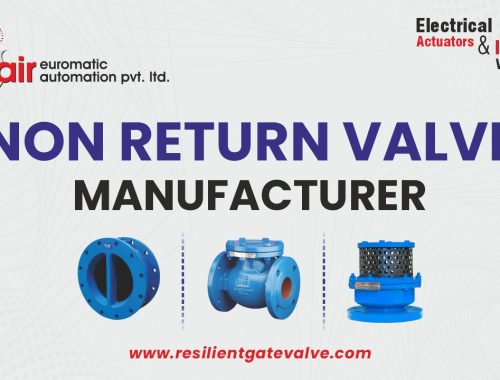
There are different types of non return valves available, depending on the application:
🔹 Swing Check Valve
Uses a hinged disc that swings open when flow is forward and closes when flow reverses.
🔹 Lift Check Valve
Uses a disc that lifts up to allow flow and drops down to block reverse flow.
🔹 Ball Check Valve
Uses a ball that moves with the flow and seals the valve when flow stops.
🔹 Dual Plate Check Valve
Uses two plates for faster closing and better performance in high-pressure systems.
🏗️ Applications of Non Return Valves
Non return valves are used in a wide range of industries:
💧 Water Supply Systems
Prevents backflow in pipelines and protects pumps.
🌊 Wastewater & Sewage Systems
Ensures safe flow and avoids contamination.
🏭 Industrial Applications
Used in chemical, oil, and gas industries to control fluid direction.
🚰 Pumping Systems
Protects pumps from damage caused by reverse flow.
⭐ Benefits of Non Return Valves
- ✔️ Prevents backflow
- ✔️ Protects equipment
- ✔️ Automatic operation
- ✔️ Low maintenance
- ✔️ Improves system efficiency
These benefits make NRVs an essential part of any fluid control system.
🔍 Why Non Return Valves Are Important
Without a non return valve,best reverse flow can cause:
- Damage to pumps and equipment
- Contamination of fluids
- Loss of system efficiency
- Increased maintenance costs
Installing an NRV ensures safe and reliable operation of your system.
⚙️ Materials Used in Non Return Valves
NRVs are made from different materials depending on the application:
- Cast Iron
- Ductile Iron
- Stainless Steel
- Brass
The material is selected based on pressure, temperature, and type of fluid.
🚀 Tips for Choosing the Right Non Return Valve
When selecting an NRV, consider:
- Type of fluid
- Pressure and temperature
- Pipe size
- Installation position
- Maintenance requirements
Choosing the right valve ensures better performance and longer service life.
🏁 Conclusion
A Non Return Valve is a simple yet powerful device that plays a critical role in maintaining system safety and efficiency. By allowing flow in only one direction, it protects pipelines and equipment from damage and ensures smooth operation.
Whether used in water systems, industrial processes, or pumping applications, NRVs are an essential component for reliable flow control.
Learn manual sluice gate working, features, and applications in water, wastewater, irrigation, and industrial systems for efficient flow control.Manual Sluice Gate: Working & Applications
In water management and industrial systems, controlling the flow of fluids is essential for smooth and efficient operations. One of the most commonly used devices for this purpose is the manual sluice gate. Known for its simple design and reliable performance, it is widely used in various applications where precise flow control is required.
Manual sluice gates are especially popular in systems where automation is not necessary and a cost-effective solution is preferred. In this article, we will explore the working, applications, benefits, and importance of manual sluice gates in detail.
💡 What is a Manual Sluice Gate?
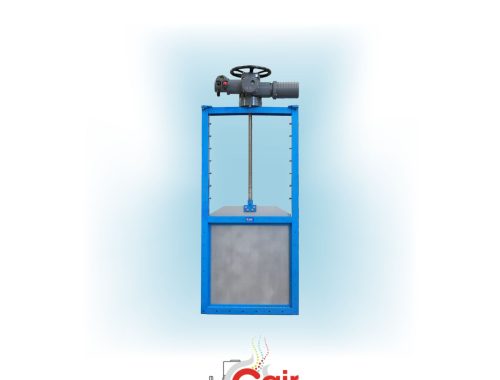
A manual sluice gate is a mechanical device used to start, stop, or regulate the flow of liquids, mainly water and wastewater. It consists of a gate or plate that moves up and down to control the flow through a channel or pipeline.
These gates are operated manually using a handwheel, lever, or screw mechanism, making them simple and easy to use. Due to their strong construction and reliable sealing, manual sluice gates are widely used in both municipal and industrial systems.
⚙️ Working Principle of Manual Sluice Gate
The working of a manual sluice gate is based on a simple mechanical operation.
When the operator turns the handwheel:
- The threaded stem moves in a vertical direction
- This movement lifts or lowers the gate (plate)
🔑 Operation Process:
- Gate Open Position:
When the handwheel is turned to lift the gate, the flow passage opens, allowing fluid to pass through. - Gate Closed Position:
When the handwheel is turned in the opposite direction, the gate moves downward, blocking the flow completely.
This mechanism ensures:
- Smooth operation
- Tight sealing
- Controlled flow regulation
Because of its simplicity, the manual sluice gate is easy to operate and maintain.
🏗️ Key Components of Manual Sluice Gate
A manual sluice gate consists of several important parts:
- Gate/Plate: Controls the flow of fluid
- Stem: Connects the gate to the handwheel
- Handwheel: Used to operate the gate manually
- Frame/Body: Provides structural support
- Sealing Arrangement: Ensures leak-proof operation
Each component is designed to provide durability and efficient performance even in tough conditions.
🌊 Applications of Manual Sluice Gate
Manual sluice gates are used in a wide range of industries and systems due to their reliability and simplicity.
💧 Water Supply Systems
In municipal water systems, manual sluice gates are used to control and regulate water flow in pipelines and distribution networks.
🌊 Wastewater & Sewage Treatment
They play an important role in sewage treatment plants by controlling the flow of wastewater and preventing overflow.
🌾 Irrigation Systems
In agriculture, sluice gates are used in canals and fields to manage water distribution efficiently.
🏭 Industrial Applications
Many industries use manual sluice gates for handling fluids in processing plants where automation is not required.
🚧 Dams and Reservoirs
Manual sluice gates are also used in dams to control water release and maintain water levels.
 ⭐ Benefits of Manual Sluice Gates
Manual sluice gates offer several advantages, making them a preferred choice for many applications.
✔️ Simple Operation
They are easy to operate using a handwheel without the need for complex systems.
✔️ Cost-Effective
Manual sluice gates are more affordable compared to automated systems.
✔️ No Power Required
Since they are manually operated, they do not require electricity or air supply.
✔️ Low Maintenance
Their simple design reduces the need for frequent maintenance.
✔️ Durable and Long-Lasting
Made from strong materials, they offer long service life even in harsh environments.
🔍 When to Use Manual Sluice Gates
Manual sluice gates are the best choice when:
- The system is small or medium-sized
- Automation is not required
- Budget is limited
- Power supply is not available
- Operation is occasional
In such situations, manual sluice gates provide a reliable and practical solution.
⚖️ Manual vs Motorized Sluice Gates (Quick Comparison)
Feature Manual Sluice Gate Motorized Sluice Gate Operation Hand-operated Automatic Power Requirement Not required Required Cost Lower Higher Control Basic Advanced Maintenance Low Moderate While motorized gates offer automation, manual gates are still widely used due to their simplicity and affordability.
⚙️ Materials Used in Manual Sluice Gates
Manual sluice gates are manufactured using different materials based on application requirements:
- Mild Steel (MS) – Strong and cost-effective
- Stainless Steel (SS) – Corrosion-resistant and durable
- IS Grade Materials – Suitable for standard industrial use
The choice of material depends on factors like:
- Type of fluid
- Pressure conditions
- Environmental exposure
🚀 Tips for Choosing the Right Manual Sluice Gate
To ensure the best performance, consider the following factors:
- Size and flow requirements
- Pressure and temperature conditions
- Material compatibility
- Installation environment
- Frequency of operation
Selecting the right sluice gate improves efficiency and reduces maintenance costs.
🏁 Conclusion
Manual sluice gates are a simple, reliable, and cost-effective solution for controlling the flow of fluids in various systems. Their easy operation, durability, and low maintenance make them ideal for water supply, wastewater treatment, irrigation, and industrial applications.
Even in today’s advanced world of automation, manual sluice gates continue to play an important role where simplicity and reliability are more important than automation.
By choosing the right design and material, you can ensure efficient performance and long service life for your system.
❓ Frequently Asked Questions (FAQs)
1. What is a manual sluice gate?
A manual sluice gate is a valve used to control or stop the flow of water or other fluids. It is operated by hand using a wheel or lever.
2. How does a manual sluice gate work?
It works by turning a handwheel that moves a gate up or down. When the gate is lifted, flow starts, and when it is lowered, the flow stops.
3. Where are manual sluice gates used?
They are commonly used in water supply systems, wastewater treatment plants, irrigation canals, and industrial applications.
4. What are the advantages of manual sluice gates?
Manual sluice gates are easy to operate, cost-effective, low maintenance, and do not require electricity.
5. Do manual sluice gates require power?
No, manual sluice gates do not require electricity or any external power source, as they are operated manually.
6. What materials are used in manual sluice gates?
They are usually made from Mild Steel (MS), Stainless Steel (SS), or IS Grade materials, depending on the application.
7. Are manual sluice gates suitable for high-pressure systems?
Yes, when properly designed and manufactured, manual sluice gates can handle high-pressure applications.
8. What is the difference between manual and motorized sluice gates?
Manual sluice gates are operated by hand, while motorized sluice gates use electric or pneumatic actuators for automatic operation.
9. How do I choose the right manual sluice gate?
You should consider factors like size, pressure, temperature, material, and application requirements before selecting a sluice gate.
10. Are manual sluice gates easy to maintain?
Yes, due to their simple design, manual sluice gates are easy to maintain and have a long service life.