Community Programs Linked to the World Cup’s Cultural Festivals

As global fans gather for the world’s biggest football event it also opens a unique window for cultural exchange through community programs tied to its cultural festivals. In host neighborhoods and international viewing hubs, local organizations partner with tournament organizers to create events that celebrate song, sculpture, movement, and artisanal traditions from around the world. These programs are more than just entertainment; they are opportunities for communities to honor their roots, embrace unity, and create enduring relationships among people of different backgrounds.
In many host countries, neighborhoods that are often overlooked become stages for cultural expression. Artisans open stalls featuring embroidered cloths, clay vessels, and handcrafted adornments. Young performers enact ancestral movements taught by grandparents, and community choirs sing songs in native languages. These activities are not staged for tourists alone—they are inclusive, inviting community members and international guests to engage actively. Guests from afar contribute by mastering folk meals or tapping beats in communal circles, turning passive spectators into active contributors.
Beyond the host nation, cities around the world organize their own World Cup cultural festivals. Across major global cities such as Tokyo, Paris, and Mexico City, community centers and libraries host film screenings of football documentaries from Africa and South America. They offer language workshops teaching basic phrases in Portuguese or Arabic, and jam jahani community-driven wall paintings celebrating unity, rhythm, and victory. These programs help break down stereotypes and replace them with human connections forged through cultural exchange.
One of the most powerful aspects of these initiatives is their ability to empower marginalized groups. Displaced families discover community through cultural participation —sharing their own cultures while learning about others. For children in low-resource neighborhoods, participation in music ensembles or creative labs tied to the tournament can spark new interests and even creative vocations. In some cases, these programs have led to long-term community projects, like permanent art installations or annual cultural fairs that continue long after the final whistle.
The World Cup is more than a tournament — it is a global moment that, when paired with thoughtful community programs, becomes a platform for harmony, learning, and cross-cultural understanding. The energy of the game inspires people to come together, but it is the local arts programs and inclusive gatherings that turn fleeting excitement into meaningful, lasting change.
Anda Mungkin Suka Juga
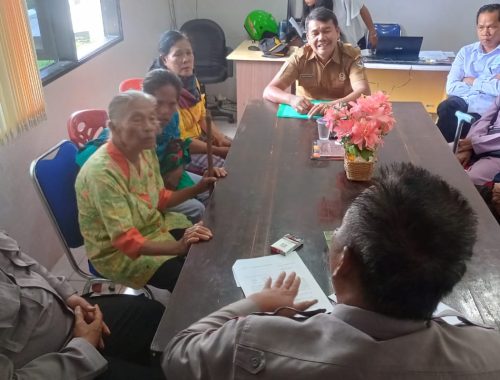
Sat Binmas Polres Toba Sukses Mediasi Kasus Pengancaman dengan Pendekatan Kekeluargaan
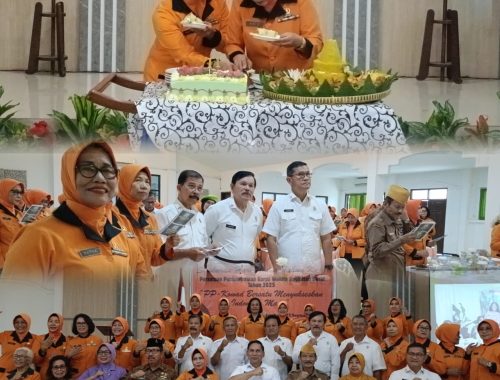
Syukuran Hari Ulang Tahun ke-11 PP-KOWAD: Meneguhkan Komitmen “Bersatu Menyukseskan Indonesia Maju