Methods to Replace Manual Workflows With AI Automation Systems
Businesses that rely heavily on manual workflows usually face inefficiencies, higher operational costs, and increased risk of human error. Replacing these processes with AI automation systems is becoming a strategic move for companies aiming to improve productivity, accuracy, and scalability. Understanding easy methods to transition from manual work to intelligent automation can transform the way organizations operate.
Manual workflows typically contain repetitive tasks equivalent to data entry, e-mail responses, report generation, and customer support. These activities eat valuable time and limit employees from specializing in higher-value work. AI automation systems are designed to handle these repetitive processes with speed and precision, allowing teams to redirect their efforts toward growth and innovation.
The first step in changing manual workflows is figuring out tasks which might be repetitive and rule-based. Processes that follow a consistent sample are excellent candidates for automation. Examples embody invoice processing, appointment scheduling, and lead qualification. By mapping out these workflows, businesses can clearly see where automation might be implemented for optimum impact.
Once the target processes are identified, the following step is deciding on the right AI tools. There are various AI automation platforms available that specialize in completely different features equivalent to robotic process automation, natural language processing, and machine learning. Choosing a system that integrates well with existing tools and software is essential to ensure a smooth transition. Compatibility reduces friction and permits automation to enhance somewhat than disrupt operations.
After selecting the appropriate tools, businesses should concentrate on designing automated workflows. This involves setting triggers, conditions, and actions that the AI system will follow. For instance, when a customer submits a form, the system can automatically categorize the request, send a response, and assign it to the related department. Proper workflow design ensures that automation runs efficiently without constant human intervention.
Testing is a critical phase in implementing AI automation systems. Before totally replacing manual workflows, it is essential to run pilot programs to determine potential issues. Testing permits businesses to refine processes, remove errors, and optimize performance. This step ensures that the automation system delivers constant and reliable results.
Employee training is one other essential element of the transition. While AI automation reduces the necessity for manual work, employees still need to understand the way to manage, monitor, and improve automated systems. Training helps teams adapt to new applied sciences and ensures they will effectively collaborate with AI tools. It also reduces resistance to change by demonstrating the benefits of automation.
Monitoring and continuous improvement play a key function in long-term success. AI systems can analyze data and provide insights into workflow performance. Businesses ought to often review these insights to identify areas for further optimization. Continuous improvement ensures that automation evolves alongside enterprise wants and maintains its effectiveness over time.
Changing manual workflows with AI automation systems gives a number of advantages. It significantly reduces operational costs by minimizing the need for repetitive labor. It additionally improves accuracy by eliminating human errors in data handling and processing. Additionally, automation enhances scalability, permitting companies to handle elevated workloads without proportional increases in staff.
Security and compliance should also be considered throughout the transition. AI systems must be configured to handle sensitive data responsibly and comply with relevant regulations. Implementing proper access controls and data protection measures ensures that automation does not compromise security.
Adopting AI automation isn’t just about changing manual work. It’s about transforming how businesses operate. By strategically implementing AI systems, organizations can create more efficient workflows, improve customer experiences, and acquire a competitive advantage in their industry.
As technology continues to evolve, businesses that embrace AI automation will be higher positioned to adapt to changing demands. Transitioning from manual workflows to automated systems is a forward-thinking approach that drives efficiency, innovation, and long-term growth.
If you loved this short article and you would like to receive more information concerning AI business automation kindly visit our own page.
Anda Mungkin Suka Juga

Sinergitas TNI–Polri dan Instansi Terkait, Amankan Bazar Takjil UMKM Ramadhan di Alun-Alun Sampang
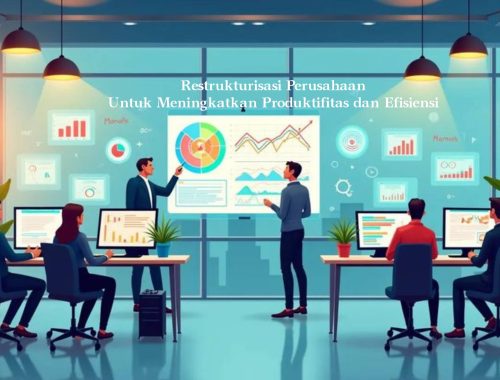
Sebagai Upaya Meningkatkan Produktifitas dan Efektivitas Kerja, Media Warta Pena Satu Jatim Raya Melakukan Terobosan Yang Berani Dengan Merestrukturisasi Kepengurusan Perusahaan