Samsung A50s – Android Berapa? Versi OS, Update & Cara Cek

Rekomendasi: Periksa segera nomor rilis dan nomor build di pengaturan perangkat; targetkan agar perangkat berada pada rilis 11 jika Anda mengutamakan pembaruan besar dan keamanan. Jika perangkat masih menjalankan rilis 9 atau 10, prioritaskan pemasangan paket keamanan terakhir yang tersedia.
Langkah cepat untuk memeriksa keadaan sistem: buka Pengaturan → Tentang ponsel → Informasi perangkat lunak (atau Informasi perangkat). Catat nilai pada kolom ‘Nomor build’ dan ‘Tingkat patch keamanan’ untuk mengetahui rilis platform dan tanggal patch terakhir.
Prosedur resmi untuk memasang pembaruan: buka Pengaturan → Pembaruan perangkat lunak → Unduh dan pasang. Sambungkan ke Wi‑Fi, pastikan baterai ≥50% dan buat cadangan data sebelum instalasi. Jika opsi tidak muncul, ulangi pengecekan setelah beberapa jam atau periksa pembaruan melalui aplikasi dukungan resmi penyedia layanan seluler/region.
Kronologi singkat dan rekomendasi lanjut: perangkat keluar dengan rilis 9 (Pie) dan menerima pembaruan besar hingga rilis 11 pada banyak wilayah; patch keamanan resmi biasanya berakhir setelah siklus dukungan pabrikan selesai. Jika keamanan jangka panjang penting, pertimbangkan perangkat pengganti atau solusi firmware komunitas yang tepercaya–tetap prioritaskan sumber resmi dan baca instruksi pemasangan dengan teliti.
Versi Android saat rilis
Perangkat ini diluncurkan dengan 9 (Pie) sebagai platform inti dan antarmuka One UI 1.1.
Model diumumkan Agustus 2019 dan mulai dipasarkan September 2019; firmware pabrik umumnya memuat patch keamanan dari Juli–Agustus 2019 sesuai pasar.
Setelah rilis awal, unit menerima pembaruan besar ke 10 dan 11, dengan migrasi antarmuka ke One UI 2. If you have any concerns regarding the place and how to use 1xbet download, you can get hold of us at our webpage. x serta perbaikan stabilitas dan pembaruan patch berkala.
Rekomendasi: saat membeli bekas periksa Pengaturan → Tentang ponsel → Informasi perangkat lunak untuk melihat nomor build dan tanggal patch. Jika aplikasi memerlukan platform minimal 10, prioritaskan perangkat yang sudah melakukan pembaruan utama atau menyertakan patch terbaru.
Android bawaan berdasarkan model dan wilayah
Gunakan firmware yang persis sesuai kode model (mis. SM‑A507F / SM‑A507FN / SM‑A507M / SM‑A5070) dan kode wilayah (CSC) asli perangkat; memasang paket dari wilayah lain berisiko menghilangkan dukungan pita jaringan, bahasa, dan garansi.
-
Identifikasi model dan wilayah:
- Lihat nomor model di Settings → About phone (nomor mulai SM‑A507…).
- Cari kode CSC/region pada informasi perangkat atau di label kotak; kode itulah yang menentukan build wilayah.
-
Perbedaan bawaan antar model umum:
- Varian dengan sufiks FN/F memiliki konfigurasi dual‑SIM dan firmware internasional yang mencakup banyak bahasa dan pita LTE untuk EMEA/SEA.
- Varian dengan sufiks M biasanya ditujukan untuk Amerika Latin/kanal distributor dan dapat membawa band/operator khusus serta aplikasi pra‑pasang dari wilayah terkait.
- Varian regional (mis. model khusus pasar tertentu) seringkali memiliki bootloader dan CSC yang terkunci ke kanal pembaruan lokal; memaksa firmware lain dapat memecahkan update OTA.
-
Rekomendasi saat membeli atau menukar perangkat:
- Prioritaskan perangkat dengan model dan CSC yang sesuai negara tempat Anda akan menggunakan layanan seluler.
- Minta penjual menunjukkan nomor model dan kode wilayah sebelum transaksi; cocokkan dengan dukungan pita operator lokal.
- Jika perangkat second‑hand, reset pabrik hanya setelah memastikan CSC masih sesuai dan tidak terkunci pada operator asing.
-
Jika ingin mengganti firmware/region:
- Selalu gunakan firmware resmi yang sesuai nomor model; flashing firmware dari wilayah lain hanya oleh teknisi resmi untuk menghindari masalah IMEI/garansi.
- Backup penuh sebelum perubahan; perbedaan CSC dapat mengubah ketersediaan fitur seperti VoLTE, Wi‑Fi calling, dan pengaturan APN.
-
Catatan teknis singkat:
- Perangkat seri ini umumnya memakai chipset keluarga Exynos 9610 sehingga basis firmware sering seragam antar wilayah, tetapi paket firmware (CSC) menyesuaikan operator dan bahasa.
- Pembaruan resmi didistribusikan berdasarkan CSC; wilayah yang berbeda bisa menerima rilis pada jadwal berbeda.
Praktik terbaik: pastikan model dan kode wilayah cocok sebelum menginstal firmware baru; untuk perubahan CSC besar, manfaatkan layanan resmi agar garansi dan fungsi jaringan tetap utuh.
-
Kapan Offroad League Rilis di Android? Info Tanggal Rilis & Cara Download
Rekomendasi langsung: jika ingin akses pada hari peluncuran, kosongkan minimal 4 GB ruang penyimpanan sekarang, pastikan koneksi Wi‑Fi stabil dan aktifkan akun toko aplikasi resmi; langkah ini mengurangi risiko kegagalan pemasangan saat paket utama (perkiraan ukuran instalasi awal 1,6–2,0 GB) mulai tersedia.
Spesifikasi teknis yang disarankan: CPU octa‑core ≥2,0 GHz, arsitektur 64‑bit, dukungan API grafis Vulkan, memori 6 GB (minimum 4 GB), ROM kosong 3 GB untuk instalasi + patch. Sistem operasi seluler harus setara Android 8.0 atau lebih tinggi – disarankan versi 11 atau lebih baru untuk kestabilan dan kompatibilitas fitur.
Sumber resmi dan proses aman: gunakan toko aplikasi resmi (Google Play) untuk pemasangan otomatis dan pembaruan; bila paket belum muncul di toko lokal, lakukan pra‑registrasi pada situs penerbit resmi atau daftar notifikasi. Untuk opsi manual: unduh berkas APK/OBB hanya dari laman penerbit resmi, cocokkan SHA‑256 berkas sebelum pemasangan, aktifkan sementara pengaturan “sumber tidak dikenal” pada pengaturan keamanan, lalu pasang via pengelola berkas. In case you have any inquiries with regards to in which and also the best way to use 1xbet app, it is possible to contact us from our web site. Nonaktifkan kembali izin tersebut setelah instalasi.
Tips pasca‑pemasangan: pada perangkat dengan RAM 4 GB pilih setelan grafis Medium, matikan aplikasi latar yang memakan banyak CPU, dan aktifkan sinkronisasi cloud akun untuk menyimpan progres. Saat mengunduh pembaruan besar, gunakan jaringan 5 GHz atau hotspot berkabel untuk menghindari gangguan; catat juga bahwa patch awal seringkali menambah 200–400 MB setelah instalasi dasar.
Tanggal rilis Android menurut pengumuman resmi
Rekomendasi: Siapkan perangkat dengan sistem operasi versi 8.0 atau lebih baru, minimal 4 GB RAM, dan kosongkan sekurang‑kurangnya 3 GB ruang penyimpanan; aktifkan pembaruan otomatis di toko aplikasi resmi agar pembaruan sampai tanpa penundaan sesuai pengumuman resmi.
Pengumuman resmi menetapkan jadwal peluncuran bertahap: soft launch regional dimulai 14 Maret 2026 (Indonesia dan Filipina), program beta tertutup untuk peserta terpilih dimulai 7 April 2026, dan peluncuran stabil global dijadwalkan 21 April 2026. Distribusi stabil akan dilakukan secara bertahap 10% per hari hingga mencapai 100% pada 1 Mei 2026. Versi awal yang diumumkan adalah v1.0.0; pembaruan minor berikutnya akan muncul sebagai v1.0.1 dan v1.1.0 sesuai pengumuman pembaruan.
Jika aplikasi belum tersedia di toko aplikasi setelah jangka waktu distribusi, periksa: akun wilayah pada toko aplikasi termasuk dalam area peluncuran; perangkat memenuhi spesifikasi minimal; dan bersihkan cache toko aplikasi lalu periksa pembaruan manual. Untuk akses awal, daftarkan akun pada program beta melalui halaman aplikasi resmi atau isi formulir pra-registrasi yang diumumkan pada kanal resmi.
Persyaratan kompatibilitas yang tercantum dalam pengumuman resmi: OS 8.0 ke atas, arsitektur CPU ARM64, minimal 4 GB RAM, dukungan grafis OpenGL ES 3.0 atau Vulkan, serta setidaknya 3 GB ruang kosong. Untuk pemasangan yang stabil matikan mode hemat baterai dan gunakan koneksi Wi‑Fi yang andal saat mengunduh paket instalasi.
Jika menemukan bug setelah pemasangan, kirim laporan melalui fitur pelaporan di aplikasi atau ke email dukungan resmi yang tertera pada pengumuman; lampirkan log, model perangkat, nomor versi (contoh: v1.0.0) dan langkah reproduksi. Dalam kasus gangguan signifikan, tim dukungan akan menyediakan prosedur rollback sesuai kebijakan pemeliharaan.
Tanggal rilis global yang diumumkan pengembang
Pengembang menetapkan peluncuran global pada 25 Maret 2026 pukul 07:00 UTC; siapkan perangkat dan lakukan pra-registrasi sekarang agar akun Anda otomatis mendapat notifikasi saat tersedia.
- Jadwal peluncuran bertahap:
- Batch 1 – 25 Mar 2026, 07:00 UTC (Amerika & Eropa)
- Batch 2 – 25 Mar 2026, 15:00 UTC (Asia Tenggara & Asia Timur)
- Batch 3 – 26 Mar 2026, 00:00 UTC (Oseania & wilayah lain)
- Versi awal yang didistribusikan: v1.0.0; patch pertama v1.0.1 diperkirakan keluar dalam 48 jam setelah peluncuran untuk perbaikan kecil.
- Ukuran paket saat rilis: ~1.2 GB; tambahan data in-game saat pertama kali dibuka sekitar 80–150 MB tergantung bahasa dan aset wilayah.
- Persyaratan minimum perangkat: OS versi 10 ke atas, RAM 3 GB, penyimpanan kosong minimal 2 GB, GPU dengan dukungan OpenGL ES 3.0 atau setara.
- Server dan wilayah: server pusat berada di Singapura dan Amsterdam; pemblokiran regional akan dilonggarkan sesuai jadwal batch di atas.
Rekomendasi teknis sebelum peluncuran:
- Pra-registrasi di toko aplikasi resmi dan aktfkan notifikasi untuk efek pemberitahuan otomatis.
- Perbarui layanan toko aplikasi dan Google Play Services; bersihkan cache jika tersedia ruang kurang dari 500 MB.
- Sediakan koneksi Wi‑Fi stabil dan baterai minimal 50% saat memulai instalasi untuk menghindari gangguan unduh.
- Verrifikasi pengaturan wilayah di akun toko aplikasi agar paket terlihat sesuai jadwal batch Anda.
- Jika akses belum tersedia setelah jadwal batch Anda, cek kanal resmi pengembang (Twitter/Discord/Forum) untuk pengumuman unlock atau masalah server.
Catatan singkat: simpan screenshot versi aplikasi (nomor versi dan waktu) setelah pemasangan untuk klaim dukungan bila terjadi kegagalan log-in atau bug setelah peluncuran.
- Jadwal peluncuran bertahap:
Infinix Smart 6 Android Berapa? Versi Android & Fitur Utama

Rekomendasi: perangkat entry-level seri 6 dikirimkan dengan sistem operasi berbasis AOSP 11 (Go Edition). Jika prioritas Anda adalah dukungan sistem operasi lebih lama dan pembaruan fitur, pilih perangkat yang membawa AOSP 12 atau AOSP 13 pada tanggal pembelian atau cari model kelas menengah ke atas yang menawarkan jaminan pembaruan lebih baik.
Info teknis penting: pada unit pabrikan ini Anda akan menemukan antarmuka kustom dari vendor dan patch keamanan yang biasanya diterbitkan secara berkala menurut wilayah. Pembaruan mayor resmi ke edisi AOSP berikutnya tidak selalu dijamin untuk model entry-level; pembaruan keamanan bisa lebih sering tersedia daripada pembaruan sistem operasi penuh.
Cara cek dan tindakan yang disarankan: Buka Pengaturan → Tentang ponsel → Informasi perangkat lunak untuk melihat nomor build dan tanggal patch keamanan. Cek Pembaruan sistem (OTA) secara berkala, aktifkan pembaruan otomatis bila tersedia, dan selalu buat cadangan sebelum menerima upgrade besar. Untuk pengguna yang butuh fitur terbaru atau patch lebih lama, opsi terbaik adalah membeli perangkat yang sudah membawa AOSP 12/13 atau memilih perangkat dengan dukungan pembaruan yang jelas dari vendor.
Infinix Smart 6 – Android Berapa? Versi Android & Fitur Utama
Menggunakan sistem operasi 11 (edisi Go) dengan antarmuka XOS 7. If you cherished this write-up and you would like to receive more information regarding 1xbet apk kindly pay a visit to our web site. 6; pabrikan biasanya menyediakan satu pembaruan besar ke 12 dan patch keamanan berkala tergantung wilayah dan operator.
Cara cek dan pasang pembaruan
Buka Pengaturan → Tentang ponsel → Pembaruan sistem. Sambungkan ke Wi‑Fi, cadangkan data penting, pastikan baterai ≥50% sebelum instal. Jika pembaruan tidak muncul, cek aplikasi dukungan resmi pabrikan atau hubungi layanan pelanggan untuk file OTA atau instruksi manual.
Tips optimasi performa dan penyimpanan
Hapus atau nonaktifkan aplikasi pra-instal yang tidak dipakai lewat Pengaturan → Aplikasi; gunakan versi ringan (Lite/Go) untuk aplikasi berat; pindahkan foto/video ke kartu microSD atau cloud dan sisakan minimal 20% ruang kosong internal. Matikan animasi di Opsi Pengembang (skala animasi 0.5 atau 0) untuk respons antarmuka lebih cepat, batasi aplikasi latar belakang melalui Penghemat Data, dan aktifkan pembaruan otomatis hanya via Wi‑Fi agar tidak mengganggu kinerja.
Versi Android yang Dipakai Infinix Smart 6
Langsung: perangkat ini menjalankan sistem operasi Google nomor 11 dalam edisi Go, dengan lapisan antarmuka XOS 7.6.
- Artinya: edisi Go dioptimalkan untuk RAM kecil dan penyimpanan terbatas sehingga aplikasi inti berjalan lebih ringan.
- Cek informasi sistem: Pengaturan → Tentang ponsel → Informasi perangkat lunak (lihat nomor sistem dan tingkat patch keamanan).
- Prosedur pembaruan resmi: Pengaturan → Pembaruan sistem → Periksa pembaruan. Gunakan Wi‑Fi dan pastikan baterai ≥50% serta ruang kosong ≥2 GB.
- Backup sebelum update: aktifkan cadangan Google atau salin data penting ke PC/SD card untuk menghindari kehilangan data.
- Kebijakan pembaruan umum untuk kelas ini: pembaruan besar jarang, pembaruan keamanan diberikan beberapa kali; jangan mengharapkan dukungan jangka panjang setara perangkat mid/high‑end.
- Jika ingin upgrade ke rilis lebih baru di luar jalur pabrik: pertimbangkan ROM pihak ketiga (mis. forum XDA). Prospek tersebut membawa risiko kehilangan garansi dan potensi masalah stabilitas–lakukan hanya jika berpengalaman.
- Butuh pemeriksaan cepat untuk unitmu? Kirimkan nomor build atau tangkapan layar dari halaman “Tentang ponsel” untuk rekomendasi langkah perbaruan yang tepat.
Apk Android System Key Verifier – Apa Itu dan Fungsinya?
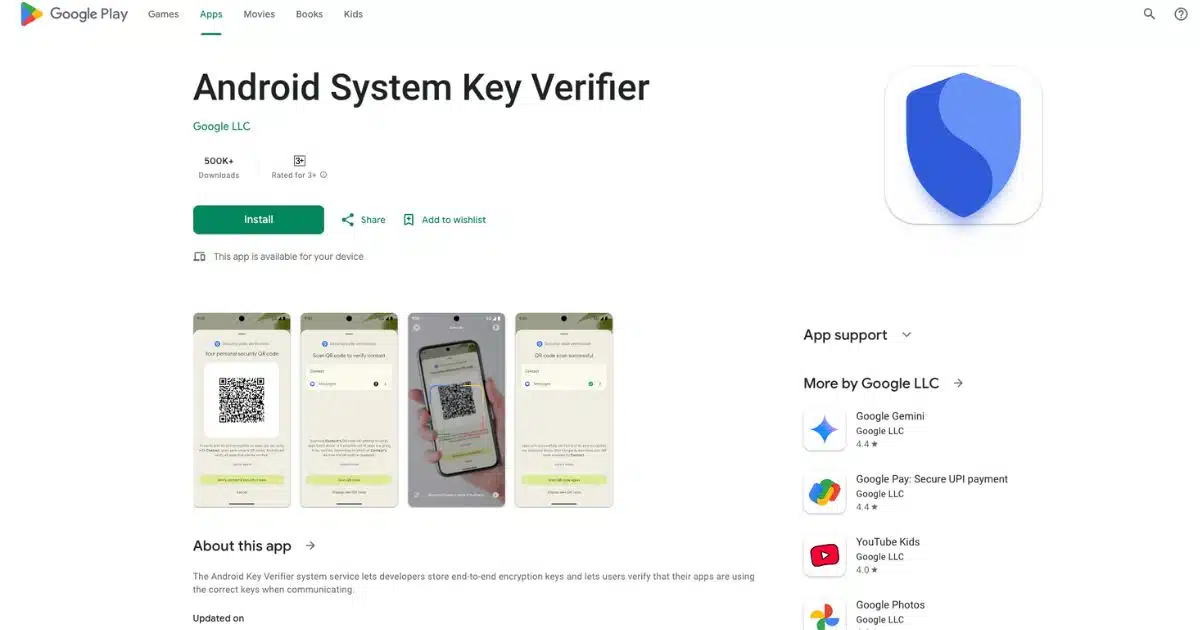
Rekomendasi: Aktifkan mekanisme pemeriksaan lisensi pada perangkat, verifikasi fingerprint sertifikat pengembang (SHA-256) sebelum pemasangan paket dari sumber tidak resmi, serta tolak instalasi jika ada ketidaksesuaian.
Pemeriksa melakukan validasi tanda tangan digital di berkas paket, membandingkan fingerprint sertifikat dengan daftar tepercaya untuk memastikan integritas dan asal pakai. Untuk mengekstrak sertifikat gunakan perintah: keytool -printcert -file META-INF/CERT.RSA, untuk menghitung hash gunakan: openssl dgst -sha256 CERT.RSA. If you have any issues regarding wherever and how to use 1xbet apk (https://cs-upgrade.top/), you can contact us at our webpage. Format fingerprint berupa 64 karakter heksadesimal, contoh 3f1a9b7c…[total 64 karakter].
Praktik yang disarankan: simpan fingerprint valid pada server pusat, lakukan sinkronisasi setiap 30 hari, integrasikan pemeriksaan pada pipeline CI sebelum rilis, tolak build jika fingerprint tidak cocok. Terapkan whitelist minimal tiga sertifikat tepercaya serta jadwalkan rotasi kunci dengan pencatatan perubahan per-ID rilis.
Perkuat konfigurasi perangkat: batasi pemasangan melalui mode pemulihan yang sudah ditandatangani, nonaktifkan instalasi sumber luar kecuali melalui proses resmi; aktifkan kebijakan akses proses menggunakan SELinux pada mode enforcing, pantau log sistem untuk entri kegagalan validasi, kirim notifikasi otomatis ke tim keamanan bila terjadi percobaan pemasangan tidak sah.
Langkah praktis segera: ambil fingerprint dari rilis terakhir, simpan sebagai referensi terverifikasi, konfigurasikan pemeriksaan pada perangkat uji. Bila terdeteksi mismatch, blokir instalasi, kumpulkan artefak (paket, sertifikat, timestamp) serta laporkan melalui saluran insiden internal.
Mekanisme verifikasi kunci sistem di Android
Lakukan pemeriksaan tanda tangan berlapis: verifikasi skema v1, v2, v3; pastikan digest minimal SHA-256; tolak tanda tangan berbasis MD5 atau SHA-1; pastikan ukuran kunci ≥2048 bit untuk RSA atau kurva P-256 untuk ECDSA; cocokkan fingerprint sertifikat dengan daftar sertifikat tepercaya pada partisi firmware.
Urutan pemeriksaan saat pemasangan: deteksi skema tanda tangan pada arsip; untuk skema v2/v3 baca signing block di dekat akhir ZIP, hitung digest seluruh konten yang tercakup dan verifikasi signature terhadap digest tersebut; untuk skema v1 periksa META-INF/MANIFEST.MF dan berkas .SF/.RSA lalu validasi PKCS#7; setelah verifikasi kriptografis, validasi rantai sertifikat, tanggal berlaku, dan algoritma kunci. Ketika melakukan pembaruan paket, tolak jika signer baru tidak cocok dengan signer sebelumnya kecuali ada metadata rotasi sertifikat yang sah.
Pengaruh terhadap eksekusi dan izin: pemberian izin berbasis tanda tangan mensyaratkan fingerprint sertifikat identik antara pengeluar izin dan penerima; modul native yang dimuat harus cocok dengan checksum yang tercantum di signing block sehingga loader tidak memuat biner yang dimodifikasi; untuk shared UID, persyaratan kecocokan sertifikat diterapkan sebelum mengizinkan berbagi identitas proses.
Langkah audit teknis yang dapat dijalankan: unzip -p paket.zip META-INF/MANIFEST.MF untuk memeriksa manifest; unzip -p paket.zip META-INF/*.RSA > signer.der lalu openssl pkcs7 -inform DER -in signer.der -print_certs -noout untuk mengekstrak sertifikat; openssl x509 -inform DER -in cert.der -noout -fingerprint -sha256 untuk fingerprint; sha256sum paket.zip untuk membandingkan digest keseluruhan. Tolak paket yang gagal salah satu pemeriksaan kriptografis atau yang menggunakan algoritma/dimensi kunci lemah.
Untuk perangkat dengan penyimpanan kunci terproteksi (TEE/SE), verifikasi harus merujuk pada kunci publik yang diikat ke elemen aman; periksa sertifikat attestation bila tersedia untuk memastikan kunci berasal dari modul keamanan di firmware, bukan dari pengguna biasa.
Bagaimana Android memeriksa tanda tangan APK sistem saat instalasi
Rekomendasi langsung: selalu validasi sidik jari sertifikat (SHA-256) paket instalasi dan tolak paket yang hanya memakai skema tanda v1; prioritaskan tanda yang melindungi seluruh berkas (v2/v3) sebelum memberikan izin istimewa.
Proses pemeriksaan berjalan berurutan: parser paket membaca manifest lalu mengekstrak informasi tanda dari META-INF untuk skema tanda lama (JAR). Untuk skema modern, verifier membaca blok tanda yang berada sebelum tabel ZIP dan memvalidasi tanda kriptografis yang mencakup seluruh file, sehingga integritas isi terjamin dan pemeriksaan jauh lebih cepat daripada verifikasi berbasis entri JAR.
Langkah validasi sertifikat: paket memuat sertifikat publik dalam format PKCS7 di META-INF (*.RSA/*.DSA) untuk skema lama; untuk mengekstrak dan menghitung fingerprint SHA-256 gunakan kombinasi unzip + openssl, misalnya:
unzip -p nama_berkas.zip META-INF/*.RSA > certs.p7b
openssl pkcs7 -inform DER -in certs.p7b -print_certs -out cert.pem
openssl x509 -in cert.pem -noout -fingerprint -sha256
Bandingkan nilai fingerprint tersebut dengan daftar fingerprint tepercaya yang disimpan di server pembaruan atau database manajemen perangkat.
Pemeriksaan saat pembaruan dan pemberian izin: jika paket menggantikan instalasi yang sudah ada, sertifikat penandatangan baru harus cocok persis dengan sertifikat sebelumnya; bila tidak, pemasangan dibatalkan (contoh: kode kesalahan INSTALL_FAILED_UPDATE_INCOMPATIBLE). Paket yang ingin memakai sharedUserId harus ditandatangani oleh sertifikat identik. Aplikasi pada partisi khusus yang mendapat hak istimewa hanya diberi jika sidik jari sertifikat cocok dengan sertifikat platform yang dipercayai firmware.
Rekomendasi operasional: lakukan pemeriksaan sidik jari di pipeline CI/CD sebelum rilis; simpan daftar fingerprint yang disetujui dan gunakan penolakan otomatis pada titik distribusi jika tidak ada kecocokan; pada perangkat produksi, bandingkan fingerprint paket dengan entri metadata paket yang tercatat di /data/system/packages.xml (akses root diperlukan) untuk audit; log setiap kegagalan pencocokan untuk analisis insiden.
Android berapa yang tidak bisa WA? Daftar versi Android yang tidak didukung & solusi
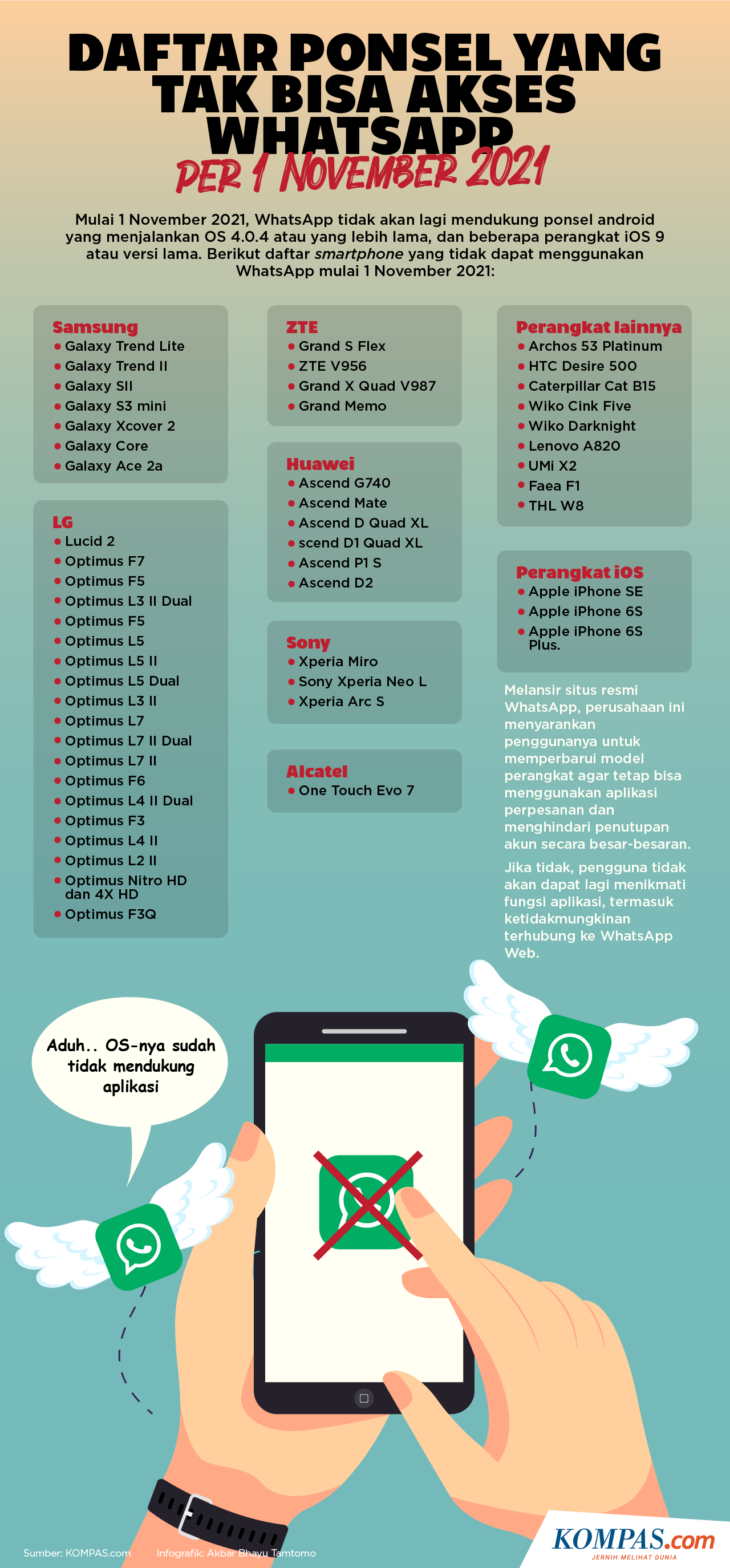
Rekomendasi: Perbarui sistem operasi ponsel ke rilis minimal 4.1 (Jelly Bean) atau lebih baru; rilis lawas berisiko kehilangan kompatibilitas dengan aplikasi WhatsApp.
Status dukungan saat ini: Perangkat dengan rilis 2.3.x (Gingerbread) dan 4.0.x (Ice Cream Sandwich) umumnya sudah keluar dari dukungan resmi beberapa tahun lalu. Perangkat beredar dengan rilis 4.1 ke atas menjalankan fitur dasar WhatsApp sampai pengumuman resmi menyatakan perubahan persyaratan.
Langkah cek & tindakan cepat: Buka Setelan > Tentang ponsel > Nomor rilis; cek halaman WhatsApp di Play Store untuk persyaratan minimal; bila vendor belum menyediakan pembaruan, pertimbangkan pemasangan ROM pihak ketiga terawat seperti LineageOS, atau gunakan WhatsApp Web pada komputer sebagai alternatif sementara.
Perhatian keamanan: Selalu lakukan cadangan obrolan ke Google Drive atau cadangan lokal sebelum perubahan; hindari memasang APK lama dari sumber tidak terpercaya karena risiko keamanan; pilih ROM terverifikasi, ikuti panduan instalasi resmi dan pastikan recovery cocok dengan model perangkat.
Checklist cepat: 1) Periksa nomor rilis; 2) Update via vendor resmi jika tersedia; 3) Bila upgrade resmi masih belum tersedia, pasang ROM terawat atau gunakan PC melalui WhatsApp Web; 4) Cadangkan data sebelum setiap tindakan.
Versi Android yang biasanya tidak didukung WhatsApp
Rekomendasi: Segera upgrade perangkat ke rilis dengan API level minimal 21 (Lollipop 5.0+) untuk menjaga kompatibilitas aplikasi WhatsApp dan keamanan data.
Kategori perangkat lawas sering kehilangan dukungan server; khususnya rilis 2.2–2.3.x (Gingerbread), 3.x (Honeycomb), 4.0.x (Ice Cream Sandwich), 4.1–4.3 (Jelly Bean) dan 4.4 (KitKat).
Langkah cepat: cek Pengaturan > Tentang ponsel > Nomor build atau Level API; jika level di bawah 21, persiapkan migrasi data sebelum mengganti perangkat.
Jika toko aplikasi tidak menampilkan pembaruan WhatsApp, pasang file APK resmi hanya dari sumber WhatsApp.com; cadangkan obrolan ke Google Drive atau ke penyimpanan lokal terlebih dahulu.
Alternatif sementara: akses via WhatsApp Web di komputer atau gunakan perangkat sekunder dengan rilis modern sampai penggantian permanen.
Periksa status Google Play Services dan patch keamanan; fitur terbaru sering memerlukan API lebih tinggi serta Play Services terbaru agar fungsi berjalan stabil.
Saat membeli perangkat baru, pilih unit dengan jaminan pembaruan OS minimal dua tahun plus patch rutin untuk mengurangi risiko kehilangan akses aplikasi.
Android 2.x (Gingerbread): tanda perangkat tidak kompatibel
Perbarui sistem operasi ke 4.1+ atau ganti perangkat.
Tanda pertama: Play Store menampilkan pesan kompatibilitas ditolak. Gejala umum: tombol “Instal” menghilang, muncul keterangan “kompatibilitas ditolak” atau aplikasi tidak tersedia untuk perangkat.
Tanda kedua: aplikasi langsung force close saat diluncurkan. Logcat sering menampilkan SSLHandshakeException, NoClassDefFoundError untuk kelas crypto, atau UnsatisfiedLinkError terkait ABI lawas.
Periksa rilis sistem lewat ADB:
adb shell getprop ro.build.version.release. Nilai 2.3 menegaskan kondisi Gingerbread. Periksa ABI denganadb shell getprop ro.product.cpu.abi; keluaran “armeabi” atau “armeabi-v6” menandakan arsitektur lama, sedangkan aplikasi modern memerlukan “armeabi-v7a” atau “arm64-v8a”.Periksa kapasitas RAM: perangkat dengan RAM di bawah 512 MB sering menghadapi crash saat proses update atau enkripsi pesan. Periksa penyimpanan internal sisa; kurang dari 200 MB menyebabkan instalasi update gagal.
Kegagalan handshake TLS 1.2 sering muncul pada rilis 2.x akibat OpenSSL lawas. If you want to find out more information on 1xbet download look into our own web site. Indikator: pesan error koneksi aman di log, kegagalan sinkronisasi, atau proses otentikasi yang berulang.
Penanganan teknis singkat: 1) Jika produsen menyediakan pembaruan, install segera. 2) Jika tersedia untuk perangkat, pasang custom ROM modern (contoh: LineageOS rilis berbasis 14.1/15.1). Langkah ringkas: backup penuh, unlock bootloader, flash recovery (TWRP), flash ROM + GApps cocok arsitektur. Risiko: hilang garansi, kemungkinan brick; lakukan hanya bila paham prosedur.
Alternatif non-teknis: gunakan perangkat cadangan yang memenuhi persyaratan minimal (OS 4.1+, RAM ≥1 GB, ABI armeabi-v7a/arm64-v8a), atau akses akun via komputer menggunakan layanan web resmi. Untuk data chat, ekspor percakapan manual sebelum migrasi perangkat bila backup otomatis gagal.
How to Find Hidden Wi-Fi SSID on Android — Step-by-Step Guide
Immediate recommendation: open Settings → Connections (or Network & internet) → choose Add network / Add new connection and type the exact network name, including correct capitalization and any spaces or symbols; select the matching security protocol (WPA2‑PSK or WPA3‑SAE if available), enter the passphrase, then save and connect.
If the network does not appear in the scanner list it means the access point stopped broadcasting its name, so automatic discovery will fail. Use the manual-add flow and set the authentication method explicitly; mismatched security (for example entering WEP when the router uses WPA2) produces repeated authentication errors. For dual-band routers try both the 2.4 GHz and 5 GHz options if the UI offers a band selection.
To confirm the correct network identifier and settings check the router label or its administration page (access via wired link or a device already connected). When manual entry still fails, enable location services and grant the network-scanning permission to the wireless module – some devices block passive scans without that consent. If you prefer a diagnostic approach, run a trusted network-scanner app (grant only the permissions it requires) to read broadcast channels and BSSID/MAC addresses; use those values to verify you are targeting the proper access point.
Security notes: do not attempt packet-capture or cracking to reveal a concealed name or passphrase. Only connect to networks you are authorized to use. If you must use a public or untrusted network, protect traffic with a VPN, keep the device patched, and avoid sensitive transactions until a secure connection is confirmed.
Preflight: Verify Android Version and Permissions
Immediate action: check the device API level – if API level ≥ 33 (OS 13), require android.permission.NEARBY_WIFI_DEVICES; if API level < 33, require android.permission.ACCESS_FINE_LOCATION or android.permission.ACCESS_COARSE_LOCATION plus system location enabled.
- Confirm OS version (visual): Settings → About phone / About device → Software information → Version or Build number.
- Confirm OS version (ADB): adb shell getprop ro.build.version.sdk (returns SDK int), adb shell getprop ro.build.version.release (returns release string).
- Check app runtime permissions (UI): Settings → Apps → [Your app] → Permissions – ensure the correct permission above is listed as Allowed.
- Check app runtime permissions (ADB): adb shell pm check-permission android.permission.ACCESS_FINE_LOCATION (or android.permission.NEARBY_WIFI_DEVICES); output will indicate granted/denied.
- Grant permission via ADB for testing (requires app debuggable): adb shell pm grant android.permission.ACCESS_FINE_LOCATION (or android.permission.NEARBY_WIFI_DEVICES).
- Verify system location toggle: Settings → Location (must be ON for API < 33 scan results when location permission is used).
- If scans must run in background, confirm android.permission.ACCESS_BACKGROUND_LOCATION is requested and granted on API ≥ 29 when applicable.
- Check battery/optimization restrictions: Settings → Apps → [Your app] → Battery → Allow background activity / Unrestricted – otherwise scheduled scans may be blocked.
- Developer options: for troubleshooting, enable “Verbose logging” for wireless, and inspect logcat for scan errors: adb logcat | grep WifiScanner (or relevant tag).
Additional practical checks:
- Target SDK impact: if the app targets a newer SDK, OS permission model enforces the newer runtime rules – confirm targetSdkVersion in the APK manifest.
- Runtime flow: implement requestPermission(…) for the specific permission for the detected API level; verify onPermissionResult that consent was granted before starting scans.
- Network-scanning throttling: OS versions starting at API 28 throttle scan frequency – for reliable results test with screen-on, foreground app, and with battery optimizations disabled.
- If using third-party tools, confirm they declare and request the same permissions; mismatches between declared and requested permissions can cause silent failures.
Open Settings → About phone to note Android version
Open Settings → About phone and record the OS version (numeric release), Security patch level (YYYY-MM-DD), Build number, Kernel version, and Baseband/Radio version.
Tap Software information or Software details if About phone shows only model/status; on some vendors this section is under System → About phone. Tap the version string to reveal the full identifier; some OEMs allow long-press to copy that text.
Capture the data immediately: take a screenshot (Power + Volume Down) or photograph the screen, then save the image to Notes or cloud storage for reference. When posting logs or asking support, paste the exact strings rather than paraphrasing.
Example entries to note exactly: OS: 14, Security patch: 2026-02-05, Build: RP1A.201005.001, Kernel: 5.10.100-perf, Baseband: S9010_XX. These values determine compatibility with apps and driver-level behavior for radios and connection tools.
Optionally note Bootloader and SELinux status shown in About phone or Status; do not change boot or developer settings unless specifically instructed by support or documentation.
If you have any queries with regards to the place and how to use 1xbet download android, you can get in touch with us at our own web site.
How to Unlock a Locked Google Account on Android — Step-by-Step Recovery Guide
Immediate action: From a desktop or any browser, open the provider’s restore form and request a password reset using your secondary phone number or backup email address; enter the one-time code sent via SMS or email and create a new passphrase of at least 12 characters (mix uppercase, lowercase, numbers and symbols). Authentication codes typically expire after ~10 minutes – if none arrives within 2 minutes, resend and check spam folders and SMS filtering on the device.
If two-factor protection is enabled: Use saved backup codes or a TOTP app (Authy, Microsoft Authenticator, FreeOTP) to sign in; if you registered a trusted device, approve the prompt there. If those methods fail, complete the provider’s restoration questionnaire with exact details: last successful sign-in date (DD/MM/YYYY), device make and OS version you normally use, recent message subjects or labels you created, and the last-used payment method. Precise, verifiable answers increase the chance of regaining access.
When the handset is inaccessible: Perform a factory reset only after exporting local backups to a PC or cloud you control, because a reset erases local data and may require the original sign-in credentials to reactivate the phone. If you cannot supply those credentials but can prove ownership, collect proof-of-purchase plus the IMEI/serial and contact the retailer or an authorized service center to request reactivation help.
Hardening after restoration: Immediately enable two-factor authentication with a hardware security key (U2F) or a TOTP app, generate and store multiple backup codes inside an encrypted password manager, verify that the secondary phone and backup email are current, revoke any unknown sessions and legacy app passwords, and rotate the new passphrase every 6–12 months or after suspicious activity.
Identify the Lock Reason
Copy the exact error text or code shown on the sign-in screen and search your provider’s support pages or inbox for that phrase – the message almost always indicates the specific cause.
Too many incorrect sign-ins: typical temporary holds last 24–72 hours. Check the timestamp of the last failed attempt in any sign-in or security emails. If a timed hold is indicated, avoid repeated tries; instead use the provider’s password-reset flow from a trusted device or wait the cooldown period.
Multi-factor problems (MFA): verify whether you still have access to the registered phone number, backup codes, or the authenticator app. If backup codes exist, use them immediately. If the authenticator device is lost, list all trusted devices from the security dashboard (web) to see which device can approve a sign-in.
Post-reset protection tied to the previous primary sign-in: the device may request the prior primary email and password after a factory reset. Confirm whether the screen asks for previous sign-in credentials; if so, gather the purchase receipt, original SIM details and device IMEI/serial, then contact the device maker or carrier with that evidence.
Service suspension for policy or billing: search recovery email folders for messages with subject keywords such as “suspension,” “policy,” “billing,” “payment failed” or “service disabled.” Check recent billing transactions (last 30 days) for declined payments or chargebacks that match the suspension timestamp.
Credential compromise or suspicious activity lock: look for security-alert emails listing unfamiliar IP addresses, countries, or device names and timestamps. If alerts show unknown locations, immediately revoke active sessions from the security console, change the password from a secure device, and review connected apps for unauthorized OAuth access.
Third-party or app-specific blocks: if a particular app or device cannot sign in while others can, inspect the connected apps/permissions section on the provider’s security page. When you cherished this short article as well as you desire to be given more details concerning 1xbet download ph kindly go to our page. Remove suspicious apps or revoke access tokens, then retry sign-in using a verified method.
Match the observed indicator (error text, recovery email, SMS, or console entry) to one of the causes above and take the corresponding action: wait the hold period, reset credentials from a trusted device, restore/replace MFA, submit proof of ownership to support, or remove compromised app access.
Open Google sign-in error details
Tap the “Error details” link on the sign-in dialog immediately, copy the exact error string and numeric code, take a screenshot, and record the precise timestamp (device local and UTC) plus network type (Wi‑Fi SSID or cellular carrier).
Common numeric codes and quick meanings: 400 – bad request (malformed payload); 401 – authentication failed (wrong credentials or expired token); 403 – access denied (policy or block); 404 – endpoint not found; 409 – conflict (duplicate session); 410 – session expired; 429 – rate limited; 495/498 – token invalid/expired; 500/502/503/504 – server-side faults. Always save the full message text and any subcodes or hex identifiers that appear with the code.
If no details link is present, collect device logs: enable Developer options (Settings → System → About device → tap Build number seven times), enable USB debugging, connect to a PC and run adb logcat -v time > sign_in_log.txt while reproducing the failure. Also run adb shell dumpsys | grep -i auth to capture authentication manager state and related services output; save that text.
Capture network traffic for the transaction: run adb shell tcpdump -i any -s 0 -w /sdcard/signin.pcap or use a desktop proxy (Fiddler/Charles) and reproduce the flow. Filter the capture for HTTP/HTTPS request lines, token endpoints and JSON error bodies; export the pcap and note exact request/response timestamps and HTTP status codes.
Prepare a support package with these mandatory items: device model, OS build, app name + exact version, UTC timestamp of failure, network type (SSID/carrier), sign-in method used (password / 2FA / SSO), whether VPN was active, screenshot of the error, logcat file and pcap file. Describe the reproduction steps in the sequence performed and attach all artifacts.
If the error page returns a support URL or RFC-style JSON, copy the full response body or save the HTML and include it. When sharing logs redact secrets and tokens but preserve HTTP status lines, error JSON, timestamps and device identifiers so the technical team can map events precisely.
Poco M5 Android Version — Which Android Does the Poco M5 Run?
Quick answer: Factory firmware for M5 is MIUI 13 built on AOSP 12 for many global units; several regions received MIUI 14 builds based on AOSP 13 during 2023–2024 rollout.
To verify current build, open Settings > About phone and read MIUI build plus Base OS entry showing AOSP release number; note build code and security patch date to confirm update eligibility.
For OTAs, open Settings > System update and choose Stable channel; connect to Wi‑Fi, ensure battery above 50%, and back up personal data prior to installation; official OTA preserves warranty and Widevine/DRM certifications.
If faster upgrades desired, consider unlocking bootloader and flashing official fastboot package or a custom ROM; unlocking voids warranty and can disable Widevine L1 and banking app compatibility – verify device codename and follow trusted community guides step‑by‑step.
Recommendation: remain on stable MIUI 14 builds where available for balanced feature set and security; manufacturer policy for similar models typically provides two major AOSP upgrades plus roughly three years of security patches, so plan device lifecycle and backups accordingly.
Do you mean “0 headings” literally, or did you intend a different number of sections? Please confirm how many headings you want.
Answer: If you literally want 0 headings, reply “0”. If you meant some other count, reply with a single integer between 0 and 12.
Quick recommendation: choose 5 headings for balanced depth and scanability. Five blocks allow focused coverage of background, update policy, step‑by‑step procedures, troubleshooting, and FAQ without fragmenting flow.
Suggested breakdown with target word counts: 1) TL;DR summary – 80–120 words; 2) Shipping release details – 120–180 words; 3) Update policy and security patch cadence – 160–240 words; 4) How to check current build and step‑by‑step update instructions – 250–350 words; 5) Troubleshooting, common errors, short FAQ – 180–250 words.
If earlier article sections already cover any items above, replace duplicates with one or more of: compatibility notes, performance and battery impact after updates, OEM support timeline, manual flashing safety checklist, or curated user reports and tips.
Confirm desired count now. Option: request heading titles only, or full content per heading with specified word counts and tone preference.
If you have any type of concerns concerning where and the best ways to utilize 1xbet for ios, you could contact us at our page.
How to Recover Deleted Instagram DMs on Android – Complete Step-by-Step Guide
Immediate actions: toggle Airplane Mode to stop any further writes to the app, do not open the messaging thread, and avoid clearing app cache. If you have any type of inquiries concerning where and exactly how to utilize 1xbet login registration, you can call us at our internet site. In the photo‑sharing app go to Settings → Security → Download Your Information (request via email); the platform typically prepares the ZIP within 24–72 hours. When you get the ZIP, extract and look for files named messages.json or something similar – those contain message bodies, sender IDs and UNIX timestamps.
If the export is absent or incomplete: check other active sessions first – open the web inbox in a desktop browser and any logged‑in tablets or secondary phones; messages often remain on other devices. If the account is linked to the social network’s chat (Facebook/Meta Messenger), inspect that inbox – cross‑linked conversations sometimes keep copies of direct threads.
Phone backup options: on Google‑powered handsets, confirm Settings → Google → Backup for app data snapshots. If a recent backup exists, restore that snapshot to a spare device or restore the handset from that backup (restore may require a factory reset). Advanced option for power users: use ADB from a PC (install Platform Tools) and run adb backup -noapk com.instagram.android -f app.ab, then extract with Android Backup Extractor (abe.jar) to inspect app files for message databases.
Rooted device method: pull the app database directly: use adb shell or a root file manager to copy /data/data/com.instagram.android/databases/ (or equivalent package path) to your PC, then search for SQLite files or JSON blobs containing thread text and timestamps. Use sqlite3 or DB Browser for SQLite to query message tables; timestamps are usually stored as integer epochs – convert to human time during review.
Safety and limits: third‑party “message recovery” apps frequently require root and full device access – avoid unknown tools and do not grant permissions to untrusted vendors. Preserve the original ZIP export and any adb/database copies; work on duplicates only. If you need exact JSON field names or an epoch conversion snippet, extract messages.json and share a sanitized sample and I will point to the exact keys and conversion formula.
Immediate steps to minimize data loss
Stop using the messaging app and enable Airplane Mode on your phone to prevent further synchronizations or overwrites.
-
Cut network access:
- Swipe down the quick settings and tap the airplane icon; confirm Wi‑Fi and mobile data are off.
- If Airplane Mode is not available, disable Wi‑Fi and mobile data from Settings → Network or Connections.
-
Freeze the app process:
- Open Settings → Apps (or Apps & notifications) → locate the social app → Force stop.
- Do not open the app after force stopping; avoid sending or receiving messages inside it.
-
Turn off account sync and background activity:
- Settings → Accounts → select the account used by the app → disable Sync for that account.
- Settings → Apps → [app] → Mobile data & Wi‑Fi → disable Background data.
- Enable global Data Saver if available so background transfers are blocked.
-
Prevent automatic app updates:
- Open the Play Store → Profile → Settings → Network preferences → Auto-update apps → Don’t auto-update apps.
- Avoid updating or reinstalling the app until a backup is secured.
-
Do NOT clear app data or uninstall the app:
- Clearing cache or storage and uninstalling will remove local copies that might remain accessible to forensic tools.
-
Create immediate copies of visible content:
- Take screenshots of conversations, timestamps, and profile info; export or email them to a separate device or cloud account.
- Save any media files to an external SD card or transfer to a computer via USB without opening the app first.
-
Request platform account data:
- Open the social platform’s account or privacy settings and start a data-download request (look for “Request data” or “Download your information”).
- Expect a processing window (often 24–72 hours); initiating the request preserves a retrievable copy held by the provider.
-
Minimize writes to internal storage:
- Avoid taking photos, installing apps, or saving files on the phone to reduce chance of overwriting recoverable blocks.
- If immediate capture is needed, use an external device to receive files instead of the phone’s internal memory.
-
Make a full device backup as soon as possible:
- Use the built-in backup tool: Settings → System → Backup → Back up now (save to cloud or computer).
- If you have access to a computer and technical skill, produce a bit‑level or application‑data backup using vendor tools; label and encrypt the backup file.
-
Document actions taken:
- Log each step with timestamps (what you did, when, and why). This record helps later analysis and any support requests.
Stop using the Instagram app immediately
Force-stop the app now: open Settings → Apps & notifications → See all apps → select the app → tap Force stop, then remove it from Recent Apps. Do not open the client again; every launch may sync or overwrite local storage.
Cut network access at system level: enable Airplane mode or disable Wi‑Fi and mobile data. Next, go to Settings → Network & internet → Data usage → Mobile data usage → select the app and turn off Background data and any Unrestricted data permissions.
Do not clear cache or storage. Instead, make a raw copy of the device filesystem before any changes. If you can enable developer options and USB debugging, connect to a computer and run a full backup: adb backup -f backup.ab -apk -all. For targeted extraction, use adb pull /sdcard/ and, if you have root or custom recovery, create a full image (TWRP nandroid) and store it externally.
Disable automatic app updates in the Play Store to prevent data-structure changes. On a desktop, log into the service’s web interface and submit a data download request (account settings → Privacy/Data Download); note processing can take up to 48–72 hours. Preserve any received archives on a separate drive and avoid restoring or reinstalling the mobile client until analysis is complete.
-
What Android Version Does Redmi 10 Run? | Redmi 10 OS & Specs
Out-of-the-box software: Global and most regional units arrive on Google’s mobile OS release 11 layered with MIUI 12. If you adored this information and also you wish to receive more details relating to 1xbet promo code for registration i implore you to stop by the website. 5. Official over-the-air updates have been issued that bring MIUI 13, which uses Google’s mobile platform release 12 on supported builds; availability depends on your region and carrier.
How to verify and update: Open Settings > About phone > Software information to read the current OS release and MIUI build. Use Settings > System update or the MIUI Updater app to fetch OTAs. Before installing a major platform update, back up user data, connect the charger, and use Wi‑Fi. For manual flashes use official ROMs from Xiaomi’s regional support pages and follow bootloader-unlock requirements; manual flashing will erase user data.
Security and support guidance: Check the “Security patch level” field in About phone; apply monthly or quarterly security updates as they arrive. If guaranteed long-term platform upgrades are a priority, confirm the update roadmap for your market on Xiaomi support pages or community trackers – this model typically receives one major platform bump in many regions.
Key hardware summary: MediaTek Helio G88 chipset, up to 6 GB RAM, up to 128 GB internal storage plus microSD expansion, 6.5-inch FHD+ 90 Hz LCD, 50 MP main camera (with additional wide/macro modules), 8 MP front-facing sensor, 5,000 mAh battery with 18W fast charging, dual SIM support.
Practical recommendations: Enable automatic updates for security patches, confirm carrier/unlocker restrictions before seeking unofficial builds, and keep a current backup before any major system change. For developers or power users seeking newer platform releases sooner, monitor official Xiaomi builds for your device codename and prefer stable regional ROMs to avoid compatibility issues.
What Android Version Does Redmi 10 Run? Redmi 10 OS & Specs
Keep the handset on MIUI 12.5 based on Google’s mobile OS release 11 out of the box; upgrade to MIUI 13 (OS release 12) where OTA is offered, enable automatic updates and install security patches promptly.
- Check current system build:
- Settings → About phone → System information.
- Look for MIUI build string and “OS release” or “Platform release” entry (shows the Google mobile OS release number).
- Note the security patch date for update currency.
- OTA update steps:
- Settings → About phone → System update → Check for updates.
- Ensure battery ≥50% and stable Wi‑Fi before downloading a full ROM.
- Back up user data (Mi Cloud / local backup) before applying major updates.
- Manual update / recovery:
- Download official recovery ROM matching your region/SKU from Xiaomi servers.
- Use the updater app or fastboot tools per Xiaomi instructions; unlocking bootloader voids warranty.
- After a major OS release, perform a factory reset if apps behave erratically (backup first).
- Update eligibility and schedule:
- Initial shipment: MIUI 12.5 on Google mobile OS release 11.
- Some regional SKUs received MIUI 13 based on release 12; availability depends on carrier/region.
- Xiaomi’s budget lineup typically gets one to two major platform upgrades and regular security patches for the first 24–36 months; confirm exact policy on the official support page for your SKU.
- Post-update maintenance:
- Clear system cache and check app updates in Google Play (or system store) after a major release.
- Revoke and re-grant sensitive permissions for misbehaving apps.
- Disable background sync for seldom-used apps to stabilize battery after an upgrade.
- Custom firmware and advanced options:
- Unofficial builds exist on community sites; evaluate maturity, security, and feature parity before switching.
- Unlock bootloader only if comfortable with warranty implications and potential instability.
- Follow XDA threads specific to your SKU for installation guides and recovery images.
For precise update availability, enter your device IMEI/SKU on the manufacturer’s support portal or check the system updater for OTA notices tied to your region.
Shipped Android and MIUI at launch
Update to the newest stable MIUI build and security patch as the first action; the 10 model left the factory with OS 11–based MIUI 12.5 out of the box.
Launch firmware details
Launched August 2021 with a stock configuration of MIUI 12.5 layered on OS 11. Out‑of‑box firmware focused on display tuning (adaptive refresh handling), memory management enhancements and camera algorithm presets tuned for the 50MP sensor. Initial security patch corresponds to mid‑2021 monthly releases for factory images.
Immediate recommendations
Before applying any major_MIUI upgrade: back up user data to cloud or local storage; ensure battery level above 50% and a stable Wi‑Fi connection; free at least 5–8 GB of internal space to avoid update failures. Use the built‑in system updater (Settings → About phone → System update) and choose the stable channel unless you accept beta risks. After a major OS 12‑based MIUI upgrade, verify app compatibility and, if you see persistent instability, perform a factory reset only after a full backup. Keep the phone on official releases to retain monthly security patches and warranty coverage; avoid unlocking the bootloader or installing third‑party images unless you have experience and accept potential support loss.
- Check current system build: