How to Check Android Version (Find Your Phone’s Android Version)
Open Settings → About (or About phone) → Software information. Read the lines labeled OS release, Build number and Security patch level to get the system release number, build identifier and patch date immediately.
Look specifically for: Release (numeric, e.g. 12, 13, 14), Build ID, API/SDK level and the Security patch date in YYYY‑MM‑DD format. Release and patch fields together show feature set and how recent security updates are.
Quick vendor paths: Samsung – Settings → About phone → Software information; Google Pixel – Settings → System → About phone; Xiaomi – Settings → About phone → MIUI release; OnePlus – Settings → About phone. Carrier-branded models may append extra build identifiers – inspect the Build ID for that detail.
If the release number or patch date is outdated, open Settings → System → System update (or Software update) to fetch official updates. For verification beyond the UI, review the bootloader/recovery info or connect via adb to list build identifiers and confirm the exact firmware string.
Check Android Version in Settings > About Phone
Open Settings → About Phone, then tap “Software information” (or “All specs”) to view the operating system release, build number, security patch level and kernel details.
Interpretation of fields: Build number – firmware identifier that often contains model code and build tag; Security patch level – date in YYYY‑MM‑DD format showing the latest security update applied; Kernel version – Linux build string with timestamp and compiler info; Baseband/Radio – modem firmware version for cellular connectivity; API/SDK level – numeric platform level when listed.
If the Software information screen is minimal, expand “Advanced” or tap “Model & hardware info”; some OEM skins (One UI, MIUI, OxygenOS, ColorOS) label entries as “Software info”, “About device” or “Phone details”. Use the Settings search field with terms like “build”, “security” or “kernel” to jump directly to the relevant line.
To save or share the data, long‑press a copyable field or use the Share icon when present; otherwise take a screenshot and include the full About screen in communications with support or when comparing firmware builds. Tapping Build number repeatedly unlocks Developer options on most devices if additional system identifiers are required.
Open the Settings app
Tap the gear icon in the quick settings panel – swipe down twice from the top edge to reveal it immediately.
-
Quick settings (fastest)
- Swipe down once to open notifications, then again to expand quick tiles.
- Tap the gear icon at the top-right (or top-left on some skins).
-
App drawer
Open the app drawer and tap the Settings entry (gear icon). If the drawer supports search, type “settings” to jump to it.
-
Home-screen shortcut or widget
- Long-press an empty area on the home screen.
- Select Widgets > Settings shortcut, then choose the specific settings target (Wi‑Fi, Battery, App info, etc.).
-
Power menu
Press and hold the power button; on some builds a gear or Settings shortcut appears on the power menu. Tap it to open system settings.
-
Lock screen gear
Certain custom skins present a small gear on the lock screen–swipe or tap to access Settings without unlocking fully.
-
Voice assistant
Say the assistant command to open Settings (e.g., “Open settings”) when voice control is active.
-
Third‑party launchers and gestures
Check launcher settings for a swipe-up, double-tap or edge gesture mapped to Settings; many launchers allow adding a dedicated gesture for instant access.
- Pixel (stock): swipe down twice then tap the gear; power-menu settings also available.
- Samsung One UI: swipe down once to reveal quick tiles, then expand; long-press the Settings icon in the app list to place a home shortcut.
- MIUI / ColorOS / EMUI: app drawer shortcut or Widgets > Settings shortcut works consistently across these skins.
If the Settings app fails to open, restart the device, boot into safe mode to rule out interfering apps, or clear launcher cache from the system app manager.
If you have any questions concerning where and how to make use of download 1xbet app, you could call us at the web site.
-
Do Android TVs Need an Antenna? How to Get Local Channels & Streaming Options
Recommendation: Connect an over-the-air aerial to a set with a built-in broadcast tuner to receive free high-definition area station broadcasts; if reception is weak at your address, prioritize wired Ethernet and app-based services for consistent on-demand and live internet viewing.
Most modern smart televisions include ATSC 1.0 tuners in the United States and DVB‑T/T2 support across Europe; ATSC 3.0 is expanding in major metropolitan markets and enables 4K broadcasts and advanced signal robustness. If your display lacks a tuner, add an external USB or HDMI tuner box such as HDHomeRun or a dedicated over-the-air DVR like Tablo. Typical prices: indoor aerials $20–80, rooftop directional aerials $80–250, network tuners/DVRs $129–249 plus any cloud recording fees.
Reception guidance: within about 30 miles of a transmitter, an indoor amplified aerial frequently works; 30–60 miles favors a rooftop directional aerial; beyond ~60 miles, choose a high-gain rooftop aerial or lean on internet-first delivery. Aim for a VHF/UHF combination aerial if both bands appear in your signal scan. Use online lookup tools (enter your postal code) to identify tower locations and expected station IDs before purchase.
Internet playback specifics: allocate ~5–8 Mbps per HD stream and 25 Mbps+ for 4K. Prefer wired gigabit Ethernet for reliability; use dual-band Wi‑Fi 5/6 (strong 5 GHz) where cabling isn’t possible. Free ad-supported internet services include Pluto TV, Tubi and The Roku Channel; paid platforms include Netflix, Prime Video and Hulu. Combine an over-the-air aerial with an on-site or cloud DVR for recording, or subscribe to app bundles to cover transmitters that are out of reach.
Practical pick: urban viewers within ~40 miles of transmitters: try an indoor amplified aerial (~$25–50) plus native tuner; suburban: rooftop directional aerial plus DVR; rural: invest in a high-gain rooftop aerial or rely primarily on internet services. Verify tuner standard (ATSC vs DVB) for your region and budget for a networked DVR if you want multi-room playback and time-shifting.
Antenna and Android TV: Do You Need One?
For receiving free over‑the‑air broadcast stations, install an indoor amplified aerial if you are within roughly 25–35 miles of transmitter sites; if distance or terrain exceeds that, fit an outdoor directional (Yagi or log‑periodic) mounted 20–30 ft above the roofline and pointed at the target transmitter for reliable reception up to 80–100 miles in favorable conditions.
Use 75 Ω RG6 coax with F‑type connectors; avoid cheap RG59. Choose a multiband aerial if your market uses both VHF (low: 54–88 MHz; high: 174–216 MHz) and UHF (roughly 470–698 MHz). If more than 50 ft of cable run or multiple splits are required, add a mast‑mounted preamplifier to overcome cable loss; do not add an amplifier when signal strength is already high, because overload/ingress will degrade reception.
Check tuner compatibility before buying equipment: many smart set‑top devices include ATSC 1.0 tuners; ATSC 3.0 (NextGen TV) requires a compatible receiver or an external USB/network tuner. Networked tuners (example: SiliconDust HDHomeRun) allow antenna signals to be shared with multiple devices over the local network without extra splitters.
Map transmitter azimuths and estimated distances with FCC DTV maps, antennaweb.org or TVFool. Test placement by temporarily mounting an indoor aerial at different windows and heights; use the receiver’s signal meter or a USB tuner app to compare signal strength. If you treasured this article and also you would like to acquire more info pertaining to 1xbet promo code philippines i implore you to visit our own web site. If reception is marginal, raise mounting height, remove nearby obstructions, or switch to a directional outdoor model.
If you rely mainly on internet‑delivered services, an aerial is optional; if you want free over‑the‑air programming, better picture-quality in congested broadband environments, or emergency broadcasts independent of the internet, add a properly chosen and installed aerial. Seal and weatherproof all outdoor coax connections and use a quality grounding block for lightning protection.
Verify if your Android TV has a built-in TV tuner
Check the model specifications page for a listed tuner type – ATSC 1.0 / 3.0 (US), DVB‑T / T2 (Europe), DVB‑C (cable), DVB‑S / S2 (satellite), ISDB‑T (Japan); absence of any tuner entry means the unit does not include an internal tuner.
-
Locate the model number: back-panel sticker, original box, or Settings → About / Device information on the set.
-
Search the manufacturer’s support page with the exact model number. Useful search queries: “ModelNumber tuner”, “ModelNumber ATSC”, “ModelNumber DVB-T2”, “ModelNumber DVB-C”. Look for entries labeled “tuner”, “broadcast reception”, or specific standards listed above.
-
Inspect physical inputs: a coaxial RF input (F‑type or IEC screw) labeled RF IN or COAX indicates a likely internal tuner. If only HDMI, USB, Ethernet and optical audio are present and no RF/COAX port exists, the set almost certainly lacks a tuner.
-
Open the built‑in apps/menus: Settings → Inputs / Broadcast / Live TV / Tuner (menu names vary). If you can start an “auto‑scan” or “auto‑tune” for broadcast signals, a tuner is present. If those options are missing, there is no internal tuner.
-
Identify supported standards on the spec sheet: ATSC 3.0 support is explicitly listed for next‑gen broadcast reception; “Clear QAM” denotes cable‑ready capability without a set‑top box. Regional standards determine compatible tuners – verify the specific abbreviation for your market.
-
Advanced check: search the FCC or regional certification database for the model or FCC ID to see internal tuner modules listed in filings; alternately, contact manufacturer support with the model number and request “tuner” confirmation.
If no internal tuner is available, use an external solution: USB tuner dongles (ATSC or DVB variants), a networked tuner device (example: HDHomeRun family) that serves broadcasts over LAN, or a dedicated set‑top receiver. Choose the external type that matches your broadcast standard and verify compatible apps for the set before purchase.
-
Poco M5 Android Version — Which Android Does the Poco M5 Run?
Quick answer: Factory firmware for M5 is MIUI 13 built on AOSP 12 for many global units; several regions received MIUI 14 builds based on AOSP 13 during 2023–2024 rollout.
To verify current build, open Settings > About phone and read MIUI build plus Base OS entry showing AOSP release number; note build code and security patch date to confirm update eligibility.
For OTAs, open Settings > System update and choose Stable channel; connect to Wi‑Fi, ensure battery above 50%, and back up personal data prior to installation; official OTA preserves warranty and Widevine/DRM certifications.
If faster upgrades desired, consider unlocking bootloader and flashing official fastboot package or a custom ROM; unlocking voids warranty and can disable Widevine L1 and banking app compatibility – verify device codename and follow trusted community guides step‑by‑step.
Recommendation: remain on stable MIUI 14 builds where available for balanced feature set and security; manufacturer policy for similar models typically provides two major AOSP upgrades plus roughly three years of security patches, so plan device lifecycle and backups accordingly.
Do you mean “0 headings” literally, or did you intend a different number of sections? Please confirm how many headings you want.
Answer: If you literally want 0 headings, reply “0”. If you meant some other count, reply with a single integer between 0 and 12.
Quick recommendation: choose 5 headings for balanced depth and scanability. Five blocks allow focused coverage of background, update policy, step‑by‑step procedures, troubleshooting, and FAQ without fragmenting flow.
Suggested breakdown with target word counts: 1) TL;DR summary – 80–120 words; 2) Shipping release details – 120–180 words; 3) Update policy and security patch cadence – 160–240 words; 4) How to check current build and step‑by‑step update instructions – 250–350 words; 5) Troubleshooting, common errors, short FAQ – 180–250 words.
If earlier article sections already cover any items above, replace duplicates with one or more of: compatibility notes, performance and battery impact after updates, OEM support timeline, manual flashing safety checklist, or curated user reports and tips.
Confirm desired count now. Option: request heading titles only, or full content per heading with specified word counts and tone preference.
When you loved this short article and you would like to receive more details about 1xbet ios download please visit the site.
How to Inspect Element on Chrome Android — Step-by-Step Guide
Connect the mobile device to a desktop with a data-capable USB cable and open the desktop browser’s remote-devtools: this delivers live DOM nodes, computed styles, console logs and network traces for the page running on the phone.
Enable developer options on the phone by tapping “Build number” seven times in Settings → About; then toggle USB debugging. Use a cable that supports data (not charge-only) and set the USB mode to File transfer (MTP) if the device does not prompt for authorization.
Install the platform tools on the desktop (Android SDK Platform Tools), then run adb devices to confirm the device is authorized. If you prefer wireless access on devices with recent OS versions, enable wireless debugging in system settings and run adb connect <device-ip>:5555. In the desktop browser, open the remote devices panel, locate the target tab, and open DevTools for live inspection and editing.
If a desktop is unavailable, use a bookmarklet that prints the page HTML/CSS or install a source-viewer app on the phone; alternatively, use a browser with built-in remote-debugging support (for example, Firefox’s remote tools) to get comparable inspection features without the Google desktop browser.
Prepare your Android device
Enable Developer options and turn on USB debugging: Settings → About phone → Build number (tap 7 times); then Settings → System → Developer options → USB debugging (toggle on).
Set “Stay awake” in Developer options so the screen remains on while charging; this prevents session timeouts during a desktop connection.
Choose default USB configuration: Developer options → Default USB configuration → File transfer (MTP). Use this mode when connecting to a computer to ensure ADB recognition and file access.
Use a high-quality data-capable USB cable (USB-C or micro-USB) rated for data transfer; cheap charging-only cables will not establish a debugging session. Here’s more info in regards to 1xbet apk review the web-page. Prefer a short cable to reduce signal issues.
Unlock the device screen and accept the computer’s RSA fingerprint prompt when it appears; if the prompt is missed, revoke USB debugging authorizations in Developer options and reconnect to force a new prompt.
Install ADB (platform-tools) on your computer from Google’s developer pages, add the tools to your PATH, and on Windows install the OEM USB drivers for your handset model; macOS/Linux typically require no extra drivers.
For a wireless link on OS 11 and newer: enable Wireless debugging in Developer options, follow the pairing steps (pairing code or QR), then use the platform-tools commands (adb pair : then adb connect :).
Update the browsing app and system software to the latest stable releases, disable battery saver and aggressive app sleep for the browsing app, and confirm the device has a reliable Wi‑Fi or USB connection before proceeding with remote inspection workflows.
Enable Developer options
Tap Settings → About phone → Build number seven times; authenticate with your PIN, pattern or fingerprint when prompted to reveal the developer menu.
- If Build number is hidden: check Settings → Software information or Settings → About device (OEM skins differ).
- After unlocking, return to the main Settings screen and open Developer options (commonly under System or Advanced).
- Toggle the master switch at the top to enable the entire panel.
Recommended switches to enable for device-to-desktop connections:
- USB debugging – allow a desktop to connect via adb; approve the RSA fingerprint dialog on the phone when pairing with a computer.
- Wireless debugging – enable if you prefer ADB over Wi‑Fi; use the pairing code or QR flow shown in the device’s pairing dialog.
- Default USB configuration – set to File transfer (MTP) so the phone exposes files immediately when plugged in, avoiding manual selection every connection.
- Stay awake – keep the screen active while charging if long sessions are required.
Security and troubleshooting tips:
- Do not enable OEM unlocking unless you plan to unlock the bootloader; toggling it permits irreversible changes to device security.
- Revoke USB debugging authorizations if you lose trust in a previously connected computer (option available inside Developer options).
- If Developer options disappear after an update or reboot, repeat the Build number tap sequence; a quick reboot may also restore visibility.
- Disable Developer options and USB/wireless debugging when not actively using them to reduce attack surface.
Oppo A54 Android Version — Which Android OS Does It Run?
Recommendation: Install the latest official platform build available for your region via the system updater – the handset ships from factory on mobile OS level 10 with the vendor skin ColorOS 7. If you loved this information and you would like to get even more facts relating to 1xbet mobile kindly visit our own internet site. x, and the majority of global units have an official upgrade to mobile OS level 11 delivered as ColorOS 11.x.
How to confirm and apply the update: open Settings → About phone → Software update (or System update) to view the current platform number and security patch date. Back up user data, connect to a reliable Wi‑Fi network, ensure battery ≥50%, then apply the official OTA package. After installation check Settings → About phone for the new build name and the security patch timestamp.
Support and lifecycle notes: this midrange handset typically receives one full platform upgrade and ongoing security patches for roughly two years from launch; update availability and timing depend on region and carrier. If you require extended OS support, consider devices marketed with multi‑year upgrade promises or enroll in the manufacturer’s beta program where offered.
Custom firmware option: installing third‑party builds can provide newer platform releases sooner, but unlocking the bootloader and flashing unsigned images voids warranty and increases security risk. Prefer official OTA packages for stability and validated security fixes.
Stock Android version shipped with Oppo A54
Shipped firmware: ColorOS 7.2 built on Google’s platform 10 with initial security patch level March 2021.
Immediate recommendation: Install the first over‑the‑air update available for the handset before adding apps or transferring sensitive data; this usually upgrades security definitions and fixes early firmware bugs.
Update checklist: 1) Back up user data. 2) Connect to stable Wi‑Fi. 3) Charge to at least 50%. 4) Free ~3 GB of internal storage. 5) Open Settings → Software Update → Check for updates and apply available OTA.
For major upgrades or if no OTA appears, download official firmware only from the vendor support site or carrier portal and follow the published flashing instructions. Avoid third‑party ROMs; improper images can permanently disable the device. Confirm support policy on the manufacturer page for guaranteed platform upgrades and patch cadence.
Factory Android release number by model
Verify the retail SKU sticker and the build string before buying: prefer units that left the factory with major release 11 or later for longer update support.
Where to find the factory release identifier: check the box sticker (model/IMEI), open Settings → About → Build number, or ask the seller for a picture of the original retail sticker. The initial platform release is usually embedded in the factory build name.
How to read build names: common OEM build formats include the SKU followed by an underscore and the major release digit (examples: CPH2xxx_10_xxx → shipped on major 10; CPH2xxx_11_xxx → shipped on major 11; CPH2xxx_12_xxx → shipped on major 12). When the build string contains “_11_” it means factory image = major 11, “_12_” = major 12, etc.
Use the IMEI or model code on the maker’s support site or on trusted firmware repositories to confirm the factory release for a specific SKU. Cross-check with changelogs for carrier or regional variants that sometimes ship on older platform levels.
Buying checklist: 1) require a photo of Settings → About showing model and build; 2) confirm the box sticker matches that model; 3) prioritize SKUs with factory major release 11+; 4) avoid listings that can’t prove original factory build if OS level and update longevity matter.
Oppo Reno5 Android Version – Which Android OS Does the Reno5 Run?
Short answer: This phone shipped with ColorOS 11.1, built atop Google’s mobile platform 11; many regional builds received an official upgrade to ColorOS 12, corresponding to mobile platform 12.
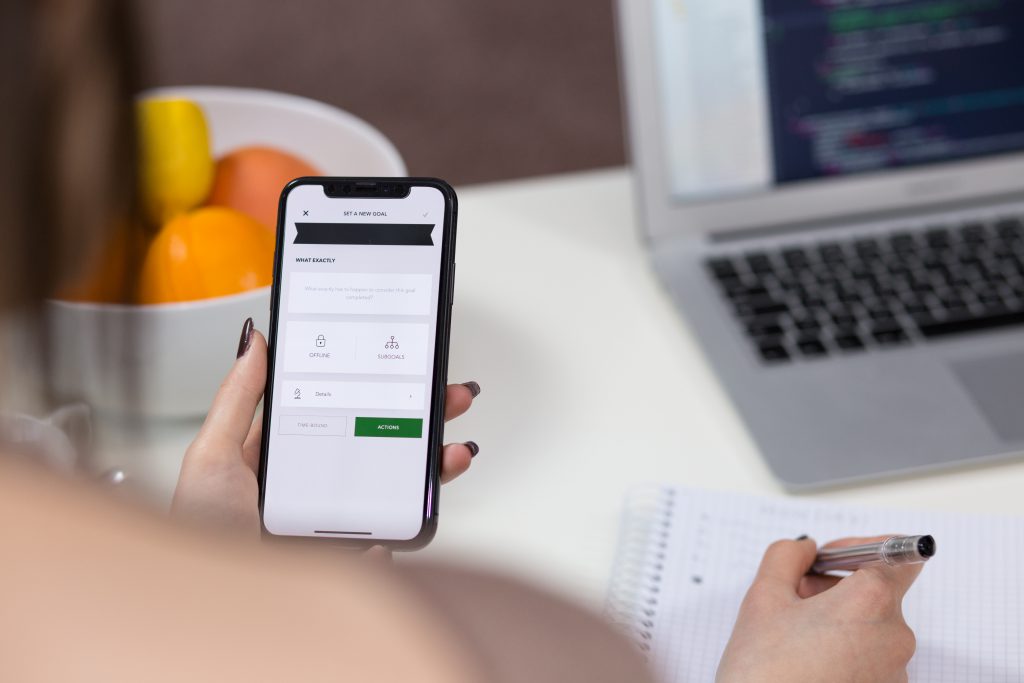
Support summary: Expect one major platform upgrade in most markets and roughly two years of security patch coverage from launch; update timing varies by region and carrier. For fastest patches, choose units sold as global or EU firmware; verify build number via Settings → About phone → Software update before purchase.
When preparing for an OTA, back up personal data; confirm battery above 50% and stable Wi‑Fi; install updates only from system updater or official vendor site to avoid voiding warranty. For extended platform lifespan beyond vendor support, explore LineageOS or similar community builds; follow device-specific threads and unlock bootloader only after reading region-specific instructions.
Security cadence: expect monthly patch drops during first 12 months after launch, then quarterly or biannual releases depending on region; carriers may introduce additional delay. If you have any kind of questions relating to where and ways to utilize best promo code for 1xbet, you can contact us at our web site. If immediate patching is priority, prefer unlocked, carrier-unlocked variants sold direct from manufacturer-authorized channels.
Buying advice: opt for global or EU model for wider update coverage; inspect official support pages for upgrade schedules; keep bootloader locked while receiving vendor updates, and unlock only when ready to install community firmware.
Installed Android and ColorOS on Reno5
Install latest stable ColorOS build (base: Google OS API level 30 or 31) via Settings > About phone > Software update; use Wi‑Fi, ensure battery above 50%, and back up personal data before upgrading.
Factory firmware shipped as ColorOS 11 (base API 30). Regional OTA packages delivered incremental updates labeled ColorOS 11.1, with select markets later receiving ColorOS 12 (base API 31) updates.
To confirm current setup open Settings > About phone > ColorOS version or Software information; check build number format (CPHxxxx or similar) and security patch level for monthly patch status.
Before applying major OTA: back up to cloud or local storage, free at least 5 GB internal space, keep stable Wi‑Fi and battery >50%. If post‑update instability appears, try clear app cache, then cache partition wipe via recovery, and as last resort perform factory reset after secure backup. For reflash or persistent faults contact official service channels.
Android major version shipped
Shipped with major release 11 (API level 30); factory firmware normally carried security patch from Jan–Mar 2021.
Recommended actions for units still on major release 11:
- Create full backup (cloud plus local image) before any upgrade.
- Charge battery above 50% or keep device connected to power during update.
- Use stable Wi‑Fi for OTA downloads to avoid corruption.
- Confirm update package matches exact model code and market region before flashing.
- Avoid unofficial builds unless comfortable with potential warranty void and recovery procedures.
How to confirm factory major release:
- Open Settings → About phone → check Build number and Security patch level for initial release indicators.
- If vendor support required, provide IMEI or model code when requesting factory firmware details.
Upgrade guidance:
- Install official OTA when vendor lists a higher major update for your model and region.
- For manual installs, use full ROM packages from official support portal; mismatched packages can brick device.
- Keep critical data synced before proceeding; after upgrade, verify security patch and system stability.
Android 9 Name – What Is Android 9 Called? (Android Pie)
Quick facts: this ninth major Google mobile OS release is identified by API level 28, debuted for Pixel phones first on August 6, 2018, and introduced system-level features targeted at power efficiency and modern hardware (display cutouts, multi-camera streams, HEIF image compression).
Key technical changes: gesture-based navigation alternatives to classic buttons; Adaptive Battery (ML-driven background app restrictions); adaptive brightness tuning; official support for display notches; multi-camera API for logical and physical camera combinations; notifications with inline smart replies and image previews; tightened background access to microphone and camera for privacy.
Upgrade checklist: 1) Back up user data and app settings. 2) Charge battery >50% and connect to stable Wi‑Fi. 3) Check your OEM’s update page or device Settings → System → System update for the official OTA. 4) For Pixel devices, factory images and full OTAs are available from Google if manual flashing is required. 5) Verify critical apps for compatibility before committing to the upgrade.
Developer guidance: target and test against API level 28 to validate behavior changes – especially background execution limits, privacy restrictions on sensors and identifiers, and power-management heuristics. Use emulators or physical hardware running version nine to catch runtime differences and ensure libraries are up to date.
Security and lifecycle advice: devices that continue to receive vendor patches on this release remain acceptable for everyday use; devices without active security updates should be replaced or migrated to maintained builds (official vendor firmware or supported custom builds). Check vendor security bulletins and monthly patch availability before relying on an older device.
Official Name and Pronunciation
Use the numeric designation “version 9” (short: v9, API level 28) in documentation; use the dessert moniker only for informal or marketing copy, and indicate its pronunciation when needed.
Pronunciation: single syllable, IPA /paɪ/ (diphthong [aɪ], rhymes with “eye”); stress falls on that sole syllable. Provide /paɪ/ in phonetic guides or captions to avoid ambiguity across accents.
Styling rules: prefer the numeral “9” rather than the spelled-out form in technical contexts – e.g., “version 9 (v9, API level 28)”. In headlines or consumer-facing text, append the dessert moniker after the numeric label and include the phonetic cue in parentheses when first mentioned.
Localization and translation: keep the numeric label untranslated; for the moniker either retain the original term with a local phonetic respelling or use an approved localized equivalent only if officially provided. Always include API level 28 in technical translations to maintain precision.
Legal and usage notes: the dessert moniker is part of the vendor’s marketing assets; verify brand guidelines before using it in third-party materials. For spoken media, instruct narrators to use a steady, single-beat delivery on /paɪ/ rather than stretching the vowel.
Official release name
Use the release identifier “9.0” together with the public dessert moniker “Pie” and API level 28 when labeling this platform version.
- Stable release date: August 6, 2018.
- Primary API level: 28.
- Initial factory build for Pixel family: PPR1.180610.009.
- SDK package: SDK Platform 28 (use platform tools and system images tagged 28 for emulators and CI).
- Runtime and manifest checks: test against Build.VERSION.SDK_INT == 28 and set targetSdkVersion = 28 for compatibility verification.
- Documentation format recommendations:
- User-facing: “9.0 Pie”.
- Technical headers and changelogs: “9.0, API level 28, build PPR1.180610.009” (include security patch level date where relevant).
- Testing checklist:
- Run CTS/GTS or vendor test suites on API 28 system images.
- Validate vendor binaries with the factory build ID listed above.
- Confirm behavior for runtime permissions, gesture navigation, and privacy changes introduced in the 9.0 release.
Should you cherished this article and also you desire to obtain more details regarding 1xbet download pc generously go to the web site.
Oppo A53 Android Version – What Android Does the Oppo A53 Run? (Update & Specs)

Immediate recommendation: If device still uses Google’s mobile platform 10 with ColorOS 7. If you loved this post and you would like to get far more information about 1xbet register kindly pay a visit to our webpage. 2, apply official upgrade to Google’s mobile platform 11 / ColorOS 11 to gain improved security patches, UI refinements, and background process optimizations. Confirm availability via Settings → Software Update; download over Wi‑Fi, keep battery above 50%, and create a full backup before installation.
Launch OS: Google’s mobile platform 10 (ColorOS 7.2), market debut September 2020. Official upgrade rollouts to Google’s mobile platform 11 occurred in select regions during 2021; rollout status depends on model variant and carrier lock status. For carrier-locked units expect longer wait times for firmware pushes; unlocked retail units tend to receive updates faster.

Security cadence: vendor issued monthly patches during first 12 months after launch, then shifted to quarterly releases for many units. If current patch level lags by more than two quarters, prioritize update or restrict sensitive activities (banking, password managers) until a secure build is installed. Use Settings → About phone → Security patch level to verify current status.
For users lacking official upgrades, community builds offer extended life: LineageOS builds based on Google’s mobile platform 11/12 exist for some model variants. Warning: unlocking bootloader and flashing custom firmware voids warranty and can brick hardware; proceed only after full backup, verifying build compatibility, and following step-by-step guides from trusted sources (XDA Developers, official Lineage wiki).
Quick checklist: 1) Check Settings → Software Update; 2) Backup data to cloud or local storage; 3) Ensure Wi‑Fi and battery >50%; 4) Install official build when available; 5) Consider community builds only if comfortable with advanced procedures.
Launch Android Version and Initial Specs
Launched with Google mobile OS 10 (ColorOS 7.2); install official firmware updates immediately to receive security patches and performance fixes.
Key initial hardware: Qualcomm Snapdragon 460 (11 nm) processor with Adreno 610 GPU; 6.5-inch IPS LCD at 90 Hz and 720×1600 resolution; RAM choices 3/4/6 GB paired with 64/128 GB internal storage expandable via microSD; rear triple camera array 13 MP main + 2 MP depth + 2 MP macro, front 16 MP; 5,000 mAh battery with 18 W charging support; side-mounted fingerprint sensor; connectivity includes dual SIM 4G LTE, Wi‑Fi 802.11 b/g/n, Bluetooth 5.0, GPS and 3.5 mm headphone jack.
Recommendations: back up personal data before applying major firmware updates; enable automatic updates in Settings > Software Update when available; prefer official OTA packages over third-party builds; monitor security patch level in Settings and install vendor patches as released to maintain stability and security.
Original Android version shipped with Oppo A53
Shipped with ColorOS 7.2 based on Google’s mobile platform 10; enable automatic updates and install security patches as soon as they arrive.
Verify the exact factory build and patch level: Settings → About phone → Software information (note the ColorOS build string and the Security patch level). Save the build identifier before performing major changes.
Before applying any OTA: back up apps and user data (cloud + local image), connect to stable Wi‑Fi, ensure battery is above 50%, and avoid interrupting the installation process.
If an OTA fails or causes instability, attempt a cache partition wipe and a retry via Settings → Software Update; if problems persist, download the official recovery package from the vendor support site or consult an authorized service center.
For users considering third‑party firmware: proceed only if experienced–unlock the bootloader, install a compatible custom recovery, check hardware variant compatibility, preserve vendor blobs, and create a full nandroid backup first; expect warranty implications and possible instability.
Keep a full backup of the original factory image and maintain periodic backups so you can roll back if a later update introduces regressions or breaks critical apps.
Oppo A53 Android Version — Which Android Does It Run? (Specs & Updates)
Install the latest official ColorOS build distributed for your exact model via Settings → About phone → Software update; prioritize OTA packages that reference the 11th major Google mobile OS release where your region is supported. If your unit shipped with the 10th major release, accept the stable upgrade to the 11th only after confirming carrier or regional rollout notes.
This phone originally landed in 2020 with ColorOS 7.2 layered on the 10th major Google mobile OS release; later firmware drops delivered bug fixes, security patches and – in many markets – an upgrade path to ColorOS 11 built on the 11th major release. Look for build tags (for example: CPHxxxx_11.x.x) and published changelogs to verify which release your handset is receiving.
Before applying any full-system update: back up user data to cloud or local storage, ensure at least 3–5 GB of free internal space, connect to stable Wi‑Fi, and keep battery above 50% or attach the charger. If an OTA lists incremental files, allow the device to complete post-install optimization without interrupting power to avoid data-loss and app reconfiguration issues.
For extended longevity, rely on official OTA channels and vendor release notes; only consider third-party builds from well-known maintainers after verifying device codename, unlock requirements and security implications. Monitor monthly or quarterly security patches and install provider-supplied cumulative updates to maintain system stability and app compatibility.
Current Android version on Oppo A53
This handset currently ships and is officially supported up to Google’s mobile OS release 11, delivered as ColorOS 11; no stable, manufacturer-provided upgrade to release 12 was published for this model as of June 2024.
- How to verify the installed build:
- Settings → About phone (or About device) → Look for “OS release”, “ColorOS” build, “Build number” and “Security patch level”.
- Security patch shows the latest monthly patch applied (format: YYYY‑MM‑DD or YYYY‑MM).
- How to check for a new system upgrade:
- Settings → About phone → System updates (or Software updates) → Tap “Check” to query the manufacturer servers.
- Regional or carrier rollouts may delay availability; check the manufacturer support page for firmware changelogs and rollout notes.
- Pre‑upgrade checklist:
- Back up contacts, messages, photos and a full system backup if possible (cloud + local copy).
- Charge battery to at least 50% or keep the device plugged in during the process.
- Ensure 3–5 GB free storage for the download and install operations.
- Use a stable Wi‑Fi connection to avoid data corruption and conserve cellular allowance.
- Troubleshooting common upgrade problems:
- If “no update available” but a newer build is listed online, confirm the device model number and region; carrier‑locked units frequently receive releases later.
- Clear system updater cache (Settings → Apps → Show system apps → System Updater → Storage → Clear cache) and retry the check.
- For failed installs, boot to recovery and choose “safe restart” or perform a factory reset only after a full backup.
- Alternatives when no official major release exists:
- Install custom firmware (e.g., LineageOS) only if experienced with flashing; this voids warranty and requires an unlocked bootloader.
- Use the latest security patch offered by the vendor even if the major OS release stops; security packages continue to matter.
Official Android build number
Check Settings → About phone → Build number right away: the official firmware identifier is the single source of truth for shipped software and OTA packages.
Typical build string format uses a vendor model tag followed by release branch and incremental tag (example pattern: CPHxxxx_11_A.XX or PDxxxx_11_A.XX). Key fields to match when confirming authenticity are ro.build.display.id (visible as Build number), ro.build.fingerprint and ro.build.version.incremental.
Verify via a connected computer using ADB: run adb shell getprop ro.build.display.id and adb shell getprop ro.build.fingerprint to pull the exact official identifiers. Compare those values against the manufacturer’s support download page or the official OTA changelog – filenames and package tags must match exactly.
When downloading a full firmware package, always confirm the published checksum (MD5 or SHA256) against the file you received before flashing. If the build string, fingerprint or checksum differ from the vendor’s listings, do not install the package and contact official support.
Security-patch date is part of the build metadata; confirm it under About phone and cross-check with the release notes to ensure the build is the one intended for your model and region.
If you have any questions regarding where and how to use 1xbet app download apk, you can speak to us at our web page.
- How to verify the installed build:
Best Android Phones with Great Cameras (Top Picks)
Samsung Galaxy S23 Ultra – choose this model for superior low-light detail and long-range zoom: 200MP main sensor, periscope telephoto delivering true 10x optical zoom, optical image stabilization and onboard RAW processing; expect consistent detail at high ISO and stable 8K30 video capture.
Google Pixel 8 Pro – select this device for natural color science and computational HDR that preserves highlight detail while retaining texture in shadows; hardware includes a 50MP main sensor, 5x optical telephoto and Super Res Zoom extending to ~30x, plus advanced noise reduction and multi-frame exposure stacking for handheld night shots.
Sony Xperia 1 V – opt for this model when manual controls and pro-grade video matter: real-time autofocus, dedicated image pipelines that support 12-bit RAW, 4K120 video capture and versatile focal-length options; ideal for users who edit footage on desktop apps.
Value alternatives – consider recent midrange flagships from OnePlus and Xiaomi that feature 50MP main sensors, stabilized wide-angle lenses and robust computational modes; prioritize units that include optical image stabilization, RAW export and hardware telephoto elements when aiming for flexible framing and post-processing latitude.
What Makes an Android Camera Worth Buying
Choose models that feature a primary sensor sized at least 1/1.3″, native resolution between 50 and 108 MP and an effective pixel size ≥1.4 µm after binning, aperture in the f/1.6–f/1.9 range, and mechanical optical image stabilization (OIS) for cleaner low-light stills.
Prefer optical zoom that starts at 3× true telephoto; periscope modules capable of 5×–10× optical retain detail at distance. Treat anything beyond 10× as digital enlargement unless supported by a very high‑resolution sensor plus strong stabilization and advanced multi-frame reconstruction.
Require hardware-level stabilization: conventional OIS plus sensor-shift where available, and electronic stabilization that uses gyro metadata to reduce rolling-shutter wobble during 4K60 capture. Autofocus should use phase-detection (e.g., dual‑pixel PDAF) or laser-assisted systems and achieve consistent focus acquisition under ~200 ms in normal lighting.
Insist on flexible capture formats: native RAW (DNG) output, 10‑bit HEIF or ProRAW-style files, and manual controls for ISO, shutter and white balance. Night modes that perform multi-frame stacking (handheld fusion in ~1–2 s, tripod exposures up to 30 s) reduce noise while preserving highlight detail.
For videography, prioritize 4K60 recording at sustained bitrates ≥100 Mbps, 10‑bit color and log profiles for grading. 8K30 is acceptable when thermal management allows prolonged clips without frame drops or aggressive bitrate capping.
Evaluate real-world endurance: perform a 15–20 minute 4K60 recording test to surface thermal throttling, check dynamic range across a 6‑stop scene, and compare noise at ISO 1600 versus ISO 3200. Firmware update cadence matters for ongoing image-quality improvements.
Quick specification checklist – minimum targets: sensor ≥1/1.3″, effective pixel size ≥1.4 µm (binned), aperture ≤f/1.9, OIS plus optional sensor-shift, optical zoom ≥3× (periscope for 5×+), RAW & 10‑bit capture, 4K60 @ ≥100 Mbps, reliable PDAF or laser AF, sustained recording >15 min without thermal throttling.
Sensor size and pixel binning: what to prioritize
Choose a larger sensor first if low-light performance, dynamic range and shallow depth-of-field matter most; choose high native megapixels + pixel-binning when you need extra detail for heavy cropping or large prints.
- Sensor-size benchmarks (commonly seen in modern handhelds):
- 1/3. When you have virtually any inquiries relating to in which along with how you can employ 1xbet app download, you possibly can e-mail us on our website. 4″–1/3.6″: tiny; typical in tele/ultrawide modules – poor low-light SNR.
- 1/2.55″–1/2.3″: modest area; acceptable in daylight.
- 1/1.7″–1/1.55″: noticeably better SNR and dynamic range.
- 1/1.12″–1″: large for mobile devices; best low-light headroom and shallower DOF.
- Pixel-pitch guidance:
- Native single-pixel pitch commonly ranges ~0.7–1.4 µm. Smaller pitches (<0.9 µm) need binning to reach usable SNR in low light.
- Effective binned pixel size matters more than nominal megapixels. Aim for an effective binned pitch ≥1.6 µm for solid low-light results; ≥2.0 µm yields excellent noise control.
- Pixel-binning math and effect:
- Combining N pixels increases SNR by √N (4-to-1 binning ≈ ×2 SNR → +6 dB).
- Binning reduces spatial resolution but improves read noise and low-light detail. A 48–64 MP sensor binned to 12–16 MP trades resolution for cleaner output.
- Practical trade-offs to evaluate before buying:
- If you shoot handheld at night, value: larger sensor area + optical stabilisation > sheer megapixel count.
- If you frequently crop, print large or extract fine texture in daylight, value: higher native MP with effective binning and good ISP.
- Check aperture: a large sensor behind a slow lens loses advantage; f/1.8–f/1.6 is meaningfully better than f/2.2 on the same sensor.
- OIS interacts with sensor choice: large sensor + OIS lowers required ISO and preserves detail–seek both when possible.
Quick checklist before committing:
- Confirm sensor size (fraction-inch or 1″ class) and compute effective area relative to competitors.
- Check native pixel pitch and advertised binning mode – compute binned pixel pitch (native pitch × √N).
- Verify real-world outputs: low-light crops, night-mode samples, and RAW availability at full resolution.
- Prioritise lens aperture and OIS if low-light is a regular use case; prioritise native MP and ISP horsepower for cropping/detail work.
- Sensor-size benchmarks (commonly seen in modern handhelds):