Infinix Hot 10 Android Version – Which Android Does It Run?
Factory software: units released September 2020 come out of the box with Google’s mobile operating system 10 paired with the maker’s XOS 7 skin; a low-memory variant uses the Go edition of Google’s mobile OS 10. Security patch levels vary by region and production batch.
How to confirm: open Settings → About phone → Software information to view the OS build and security patch date; then check Settings → System → System update for available over-the-air packages. Record the exact model name and build number before contacting support.
Upgrade guidance: back up user data, connect to a stable Wi‑Fi network, ensure battery above 50% and free storage of at least 2 GB, then apply OTA updates from the vendor. If no official update appears, consult the carrier/vendor support pages or official forums for rollout schedules.
Advanced option: community-maintained firmware (e.g. If you beloved this write-up and you would like to obtain more data pertaining to 1xbet philippines app download kindly visit our site. , LineageOS) can provide a newer Google mobile OS release for some units, but that requires unlocking the bootloader, flashing tools, and will usually void warranty – proceed only if you accept those trade-offs.
Quick answer: Android version on the Infinix Hot 10
Ships with Google’s mobile platform 10 paired with XOS 7.0 as the factory build; the initial security patch dates to late 2020.
To confirm the installed build: go to Settings → About phone → Build number and Security patch level; check Settings → System → System update to query OTA availability.
For updating: back up user data, connect to a stable Wi‑Fi network, ensure battery ≥50%, free up at least 3–5 GB storage, then apply the OTA from Settings. If an upgrade to platform 11 is offered for your market, accept the OTA only after verifying the changelog and post-install stability reports for your exact model number.
If no official OTA appears, download firmware only from the manufacturer’s support portal using the exact model identifier shown in Settings → About phone, and follow the vendor’s instructions or visit an authorized service center – avoid unofficial builds to prevent bricking and warranty voidance.
Default Android version shipped with the Hot 10
Confirm: the handset shipped with OS 10 (API level 29) paired with the manufacturer’s XOS 7.0 skin.
- Verify factory software: Settings → About phone → OS version / Build number / Security patch level; the initial build typically contains an XOS identifier.
- Pre-update checklist:
- Full backup (cloud account backup + local copy of photos and documents).
- Battery at least 50% or connected to charger during the update.
- Free internal storage: reserve 3–5 GB for download and installation files.
- Use stable Wi‑Fi for OTA downloads; avoid using mobile data for large packages.
- Obtaining updates: check Settings → System → Software update for official over‑the‑air packages; rollout timing depends on region and carrier.
- Manual upgrade / custom firmware guidance:
- Confirm bootloader unlock rules and warranty impact from the vendor.
- Only use signed images from official support pages or well‑trusted developer communities; verify file checksums.
- Keep the original build number recorded and a full backup to enable rollback if needed.
- Security patch note: the out‑of‑box security level dates from 2020 for this release; enable automatic updates and periodically check the Security patch level in About phone to maintain protection.
Who Invented Android Phones? History, Key Figures & Timeline
Direct answer: Credit belongs to the original startup team–Andy Rubin, Rich Miner, Nick Sears and Chris White–who founded the project in October 2003; Google acquired the company on August 17, 2005, and that acquisition set the path to the first commercial handset, the HTC Dream (T‑Mobile G1), which shipped on October 22, 2008.
For a factual chronology and accurate attribution, include these milestones in sequence: founding of the startup (Oct 2003); Google purchase (Aug 2005); announcement of the industry consortium, the Open Handset Alliance (November 5, 2007); platform 1.0 release (September 23, 2008); first retail device, HTC Dream (Oct 22, 2008). Note hardware specifics for the Dream: Qualcomm MSM7201A CPU at 528 MHz, 192 MB RAM, and a 3. If you liked this article and you would certainly such as to receive additional details relating to 1xbet best promo code kindly check out our own website. 2‑inch touchscreen–use these specs to demonstrate the gap between early devices and later models.
When structuring your article, prioritize primary sources: the Google acquisition filing and press release (Aug 2005), the Open Handset Alliance announcement (Nov 2007), original product pages and teardowns for HTC Dream (Oct 2008), and contemporaneous reviews from major tech outlets. Emphasize named contributors (Rubin, Miner, Sears, White), major OEM partners (HTC, Motorola, Samsung) and key vendor dates rather than vague generic statements; that produces an evidence‑based narrative and actionable references for readers.
Founders of Android, Inc. (2003)
Answer: Andy Rubin, Rich Miner, Nick Sears and Chris White.
Founding context: The company was formed in October 2003 in Palo Alto, CA; the four founders combined expertise in embedded engineering, carrier relations, business development and user-interface design. Google acquired the startup in August 2005 for roughly $50 million.
Andy Rubin – technical lead: led platform architecture and hardware integration; prior to the startup he co‑founded Danger (maker of the Sidekick) and built teams focused on mobile engineering. After the acquisition he led Google’s mobile projects and later launched a consumer hardware venture.
Rich Miner – product and partnerships: brought mobile research and startup experience, handled early industry outreach and investor relations; after the buyout he moved into leadership roles at Google and subsequently into venture investing focused on mobile and applications.
Nick Sears – business/telecom lead, CEO: provided carrier relationships and commercial strategy, negotiated early operator discussions and business models that made the platform attractive to acquirers and partners.
Chris White – UI/interaction lead: produced the prototype user‑interface demo and interaction design work that clarified product vision and helped secure both funding and acquisition interest; continued to work on user experience after the acquisition.
Research recommendations: consult contemporaneous reporting from August 2005 (major tech outlets and the Google press release), founders’ interviews and conference talks, early patent filings and archived versions of the company website via the Wayback Machine, and LinkedIn or conference bios for career timelines.
Andy Rubin: role, vision and technical leadership
Recommend adopting Rubin’s developer-first playbook: deliver a complete SDK, emulator and reference device early, pair that with clear APIs and sample apps to accelerate third-party adoption.
As engineering lead he prioritized a lightweight Linux-based kernel, a custom JVM-compatible runtime (Dalvik) optimized for limited memory and battery, and an inter-process messaging model that allowed apps and system components to communicate without tight coupling. He insisted on a permission-driven app model and sandboxing to limit privilege escalation while keeping the API surface small and consistent.
Technical practices he enforced: strict vendor abstraction layers so silicon and driver differences don’t break platform binaries; automated compatibility testing to protect app and OS interoperability; aggressive profiling and instrumentation for power and memory; and an early reference hardware image with conservative driver sets to reduce fragmentation during OEM bring-up.
Management techniques worth copying: recruit engineers with embedded and systems expertise, require frequent working prototypes (6–8 week cadence), gate merges with continuous integration and regression suites, and create a developer advocacy team that publishes sample code, migration guides and performance benchmarks alongside each SDK release.
Concrete actions for product teams: 1) publish stable public APIs and a compatibility test suite before wide OEM distribution; 2) invest in a low-overhead runtime with ahead-of-time/JIT strategies for throughput and power; 3) maintain an upstream-first kernel policy and a thin HAL to isolate vendor changes; 4) provide emulators that expose power/perf instrumentation so developers can optimize apps pre-deployment.
Best Android DPI Size – Recommended DPI & Screen Density
Use these scale buckets mapped to physical pixels per inch: 0.75 → 120 ppi, 1 → 160 ppi, 1.5 → 240 ppi, 2 → 320 ppi, 3 → 480 ppi, 4 → 640 ppi. Convert vector-independent pixels to actual pixels with px = dp × scale factor; this gives predictable raster sizes across displays.
For concrete export sizes: a UI element defined as 48dp should be output at 36px, 48px, 72px, 96px, 144px, 192px for the 0.75–4× buckets respectively. A typical toolbar icon at 24dp becomes 18px, 24px, 36px, 48px, 72px, 96px. Keep these exact values in asset pipelines to avoid on-device scaling artifacts.
Design layouts for a baseline width of 360dp; validate at 411dp (wider phones) and 600dp (small tablets). Use density-independent measurements for spacing and typography, then provide multi-scale assets so raster content remains crisp without runtime upscaling.
Prefer vector artwork (SVG or VectorDrawable) for icons and simple graphics; supply raster fallbacks at minimum 2× and 3× for critical UI elements. For bitmap-heavy screens, export at the full 3× or 4× bucket and downscale for lower buckets to preserve detail.
DPI vs Screen Density
Provide vector icons plus raster exports at these scale factors: 1.0× (160 ppi baseline), 1.5× (240 ppi), 2.0× (320 ppi), 3. If you are you looking for more on download 1xbet apk look at the web site. 0× (480 ppi), 4.0× (640 ppi); convert units with px = dp × (ppi / 160) and generate raster assets using those exact multipliers.
Physical pixel concentration (ppi) = sqrt(width_px² + height_px²) / diagonal_in_inches. Example: a 1080×1920 panel at 5.0″ diagonal → sqrt(1080²+1920²)=2203 → 2203/5.0 ≈ 441 ppi. That value is independent from the OS scaling factor and determines perceived sharpness.
Runtime logical scaling is a small set of fixed multipliers applied to density-independent units; typical mapping: 120 ppi → 0.75×, 160 ppi → 1.0×, 240 ppi → 1.5×, 320 ppi → 2.0×, 480 ppi → 3.0×, 640 ppi → 4.0×. For a 48 dp touch target this yields pixel sizes: 36 px, 48 px, 72 px, 96 px, 144 px, 192 px respectively.
Asset rules: use vectors (SVG/VectorDrawable equivalents) for icons and UI glyphs to avoid multiple raster masters; supply raster images for photos at native photographic resolutions and export at the listed multipliers for UI bitmaps. For launcher/marketing graphics, keep a 512 px (or store-specified) master and downscale–do not upscale small rasters.
Workflow tips: calculate px values from dp with the formula above, include at least 1×, 2× and 3× raster sets when vectors are not feasible, and verify on devices/emulators by overriding the display multiplier. Human acuity guideline: beyond roughly 300 ppi at normal handset viewing distance (≈10–12 in) additional ppi yields diminishing perceived gain, so prioritize vector assets and 2×/3× raster exports over creating ultra-high-resolution bitmaps.
What DPI means for Android
Design around a 160 ppi baseline (scale = 1) and provide raster assets at 0.75×, 1×, 1.5×, 2×, 3× and 4× so interfaces render crisply across ~120, 160, 240, 320, 480, 640 ppi devices.
- Mapping to density-independent units: 1 dp = 1 px at 160 ppi. Corresponding scale multipliers: 0.75 (≈120 ppi), 1 (160 ppi), 1.5 (240 ppi), 2 (320 ppi), 3 (480 ppi), 4 (640 ppi).
- Quick conversions: multiply dp values by the scale factor to get px target sizes. Example – app bar 56 dp → 42, 56, 84, 112, 168, 224 px for the listed scales respectively.
- Launcher and system icon targets (px): prepare bitmaps at 48→36,48,72,96,144,192 for a 48 dp baseline; also include a vector alternative for scalable delivery.
Asset export recommendations:
- Prefer vector formats for icons and UI glyphs; export raster at each multiplier when vector is unsupported or when photographic detail is required.
- When exporting bitmaps, bake at the largest needed dimension (×4) and downscale to avoid interpolation artifacts; check sharpness at intermediate scales.
- Include an XML vector or SVG where possible to reduce APK weight and ensure perfect scaling for unusual pixel concentrations.
How to calculate physical pixels per inch for a device:
- Use formula: ppi = sqrt(width_px² + height_px²) / diagonal_in_inches.
- Example: 1080 × 1920 on a 5.0″ diagonal → sqrt(1080²+1920²)/5.0 ≈ 440.6 ppi (maps to the ×3 group).
Testing tips:
- Use emulator profiles set to the target ppi or specify custom resolution/diagonal to validate layout at exact multipliers.
- Check touch targets and typography at the smallest and largest effective scales to ensure legibility and tappable areas remain within guidelines (minimum touch target ≈ 48 dp → convert to px for each multiplier).
- For photographic backgrounds, serve appropriately sized images per multiplier to balance visual quality and bandwidth.
How to Check Android Version – Easy Step-by-Step Guide for Any Phone
Recommendation: Open Settings → About or System → Software information and read entries labeled “OS release”, “Build number” and “Security patch level”. Record the numeric release (example: 12), the build ID (example: RP1A. If you loved this information and you would certainly like to receive additional details regarding 1xbet ios kindly visit the site. 201105.002) and the patch date (example: 2025-02-05).
If menus vary: dial *#*#4636#*#* to reveal a testing menu on many models; alternative: connect a computer and run these commands: adb shell getprop ro.build.version.release (returns release like 12), adb shell getprop ro.build.version.sdk (returns SDK integer like 31), adb shell getprop ro.build.version.incremental (returns build ID). Expect plain-text responses and save them to aid troubleshooting and app compatibility checks.
When to update: treat a security patch older than six months as an indicator that an update is needed; compare the numeric release and SDK level against app minimum requirements or vendor support notices. Use Settings → System → System update to download and apply available packages, or obtain firmware from the device maker’s official site when OTA delivery is unavailable.
Check Android Version in Settings
Open Settings → About (or Settings → System → About) and read OS level, Build number and Security patch level immediately.
- Open Settings app.
- Tap About or System → About; use the Settings search and type “build” or “security” to jump straight to relevant entries.
- Read these three fields: OS level (numeric release), Build number (alphanumeric build ID), Security patch level (date in YYYY‑MM‑DD format).
- Vendor skin labels appear nearby: MIUI version, One UI version, ColorOS version, OxygenOS version – these indicate the manufacturer skin while the OS numeric release shows core level.
- To reveal Developer options, tap Build number seven times; then open System → Developer options to view kernel version, build fingerprint and runtime info.
Practical tips:
- Long-press text entries to copy details; take a screenshot when copy isn’t available.
- Log Security patch date (example: 2024-11-05) to verify update recency against vendor support pages.
- If OS level is a single number (example: 14), match that number to the release notes on the manufacturer’s site when assessing compatibility or update presence.
Open the Settings app
Tap the gear icon in Quick Settings. Swipe down twice from the top edge and tap the gear at the top-right to open system settings immediately.
Open the app drawer and tap the Settings icon (gear symbol). On Samsung models the gear often sits at the top-right of the app grid; on Pixel and many stock launchers it appears among system apps near the top.
Long-press an empty area on the home screen, choose Widgets or Home settings, then add the Settings shortcut or widget to a home panel so it’s available with a single tap.
Use voice: say “Hey Google, open Settings” or “Open system settings” and follow the unlock prompt if a PIN, pattern or biometrics is required.
Quick jump from a notification: long-press a notification, tap the cog or info icon and select App info or App settings; that entry often includes a shortcut to the main Settings sections.
If a setting is locked, the system will require authentication before showing sensitive pages; have your PIN or fingerprint ready when accessing restricted areas.
How to Inspect Element on Chrome Android — Step-by-Step Guide
Connect the mobile device to a desktop with a data-capable USB cable and open the desktop browser’s remote-devtools: this delivers live DOM nodes, computed styles, console logs and network traces for the page running on the phone.
Enable developer options on the phone by tapping “Build number” seven times in Settings → About; then toggle USB debugging. Use a cable that supports data (not charge-only) and set the USB mode to File transfer (MTP) if the device does not prompt for authorization.
Install the platform tools on the desktop (Android SDK Platform Tools), then run adb devices to confirm the device is authorized. Should you adored this short article along with you desire to receive guidance concerning 1xbet philippines app download i implore you to stop by our own web page. If you prefer wireless access on devices with recent OS versions, enable wireless debugging in system settings and run adb connect <device-ip>:5555. In the desktop browser, open the remote devices panel, locate the target tab, and open DevTools for live inspection and editing.
If a desktop is unavailable, use a bookmarklet that prints the page HTML/CSS or install a source-viewer app on the phone; alternatively, use a browser with built-in remote-debugging support (for example, Firefox’s remote tools) to get comparable inspection features without the Google desktop browser.
Prepare your Android device
Enable Developer options and turn on USB debugging: Settings → About phone → Build number (tap 7 times); then Settings → System → Developer options → USB debugging (toggle on).
Set “Stay awake” in Developer options so the screen remains on while charging; this prevents session timeouts during a desktop connection.
Choose default USB configuration: Developer options → Default USB configuration → File transfer (MTP). Use this mode when connecting to a computer to ensure ADB recognition and file access.
Use a high-quality data-capable USB cable (USB-C or micro-USB) rated for data transfer; cheap charging-only cables will not establish a debugging session. Prefer a short cable to reduce signal issues.
Unlock the device screen and accept the computer’s RSA fingerprint prompt when it appears; if the prompt is missed, revoke USB debugging authorizations in Developer options and reconnect to force a new prompt.
Install ADB (platform-tools) on your computer from Google’s developer pages, add the tools to your PATH, and on Windows install the OEM USB drivers for your handset model; macOS/Linux typically require no extra drivers.
For a wireless link on OS 11 and newer: enable Wireless debugging in Developer options, follow the pairing steps (pairing code or QR), then use the platform-tools commands (adb pair : then adb connect :).
Update the browsing app and system software to the latest stable releases, disable battery saver and aggressive app sleep for the browsing app, and confirm the device has a reliable Wi‑Fi or USB connection before proceeding with remote inspection workflows.
Enable Developer options
Tap Settings → About phone → Build number seven times; authenticate with your PIN, pattern or fingerprint when prompted to reveal the developer menu.
- If Build number is hidden: check Settings → Software information or Settings → About device (OEM skins differ).
- After unlocking, return to the main Settings screen and open Developer options (commonly under System or Advanced).
- Toggle the master switch at the top to enable the entire panel.
Recommended switches to enable for device-to-desktop connections:
- USB debugging – allow a desktop to connect via adb; approve the RSA fingerprint dialog on the phone when pairing with a computer.
- Wireless debugging – enable if you prefer ADB over Wi‑Fi; use the pairing code or QR flow shown in the device’s pairing dialog.
- Default USB configuration – set to File transfer (MTP) so the phone exposes files immediately when plugged in, avoiding manual selection every connection.
- Stay awake – keep the screen active while charging if long sessions are required.
Security and troubleshooting tips:
- Do not enable OEM unlocking unless you plan to unlock the bootloader; toggling it permits irreversible changes to device security.
- Revoke USB debugging authorizations if you lose trust in a previously connected computer (option available inside Developer options).
- If Developer options disappear after an update or reboot, repeat the Build number tap sequence; a quick reboot may also restore visibility.
- Disable Developer options and USB/wireless debugging when not actively using them to reduce attack surface.
How to Track a Lost iPhone That’s Off Using an Android
Immediate action: open a browser on your non-Apple smartphone, switch the browser to desktop mode, go to iCloud.com, sign in with your Apple ID, open Find My and select the missing device. Check the last known location timestamp and coordinates, enable the Notify When Found option, and activate the remote lock that displays a contact number and message while disabling mobile payments tied to the account.
If the handset was configured to send its final position before power loss, the web view will show that coordinate with a UTC timestamp; typical horizontal accuracy ranges from ~10–50 m on Wi‑Fi to several hundred meters on cellular. Recent Apple models and versions can continue advertising a location beacon for a limited period after shutdown when the network relay feature is active; detection speed depends on nearby Apple device density and can be minutes to days in sparse areas.
Alternative data source: if a Google account was signed in on the handset, open timeline.google.com or Google Maps → Your timeline from the same browser and review the last GPS ping with exact latitude/longitude and a device timestamp. Export or copy those coordinates and paste into maps for navigation or to share with authorities.
Contact your mobile operator immediately with the device serial/IMEI and request SIM suspension and blacklist entry. Obtain IMEI from the Apple ID device list, original packaging, or purchase receipt; include that number in a police report to create an official record. Change your Apple ID password, revoke app-specific passwords, remove stored payment cards via the iCloud device page, and enable two-factor authentication if not already set.
Prevention checklist: enable Find My and Send Last Location on all Apple handsets, keep Location Services and Background App Refresh active for the Find My app, record serial/IMEI in a secure note, and link a recovery contact to your Apple ID. If you rely on a non-Apple phone for recovery, bookmark iCloud.com and timeline.google.com for fast access.
Quick actions on Android to locate the iPhone
Open a browser on your phone and go to https://www.icloud.com/find – sign in with the Apple ID linked to the missing Apple handset, then enable ‘Notify When Found’, check the last-known location timestamp and use ‘Mark As Lost’ or ‘Erase’ only as a last resort.
- Play Sound: select ‘Play Sound’ to trigger noise when the device next powers or connects; note the action will not work while the device remains powered down but provides an immediate alert when it comes online.
- Notify When Found: toggle this to receive an email and push notification the moment the device appears on the Find My network; verify the notification email address in your Apple ID settings beforehand.
- Mark As Lost: enable Lost Mode to lock the screen, display a contact message and stop Apple Pay; it also suspends access to certain account features until you recover the handset.
- Erase Device: use only if recovery is impossible – this deletes iCloud data and prevents Find My from showing location after the wipe completes.
Check Google Maps Timeline at https://www.google. If you are you looking for more information about 1xbet app apk download visit our own web site. com/maps/timeline while signed into any Google account that might have been used on the Apple handset; if Location History was active, Timeline shows date-stamped coordinates and accuracy radius useful to narrow search zones.
- Get IMEI/serial: open https://appleid.apple.com, sign in, select ‘Devices’ to view serial and IMEI. If you don’t have access to that page, check the original receipt or device box.
- Contact carrier: provide IMEI and request a SIM suspension and network blacklist to block cellular use; ask about location assistance or law-enforcement liaison options the carrier offers.
- Change passwords: immediately change the Apple ID password at https://appleid.apple.com and revoke any third-party app-specific passwords; remove saved payment methods from the account if possible.
Install ‘Tracker Detect’ from the Play distribution service to scan for nearby Apple network accessories (AirTag, Find My items) that could indicate the handset’s proximity if an accessory was attached or nearby; run periodic scans while searching physically.
- Ask an Apple-owner friend: they can sign in to iCloud.com/find on their device or open the Find My app and use ‘Help a Friend’ to view location and trigger actions faster than a browser on a mobile device.
- Local steps: search areas indicated by the last-known timestamp, check CCTV or doorbell camera timestamps matching that time, and notify building management or lost-and-found with the IMEI/serial for easier identification.
Sign into iCloud.com with the iPhone’s Apple ID
Open a web browser and go to https://www.icloud.com; enter the Apple ID email associated with the missing handset and its password, then tap Continue.
If the site shows a simplified mobile view, enable Request desktop site (Chrome: menu → Desktop site; Firefox: menu → Request desktop site) so the full Find My interface appears.
When prompted for a verification code, choose the option to receive it on a trusted phone number or device. If no code arrives, click Didn’t get a code? and select the SMS option to send a one-time code to the trusted number on file.
No access to any trusted number or device: open https://appleid.apple.com, select Forgot Apple ID or password? or start account recovery; expect a verification delay while Apple confirms ownership.
Using someone else’s handset or a public computer: sign in in private/incognito mode, do not save passwords, then sign out and clear browsing data when finished. Revoke any active web sessions at appleid.apple.com under the Devices or Security sections if you suspect unauthorized access.
After successful sign-in, tap the Find My icon to access device controls and status. If you cannot sign in because of an incorrect password, reset it via the Forgot Apple ID or password? link before attempting verification again.
Vivo Y95 Android Version – Which Android OS Does It Run?
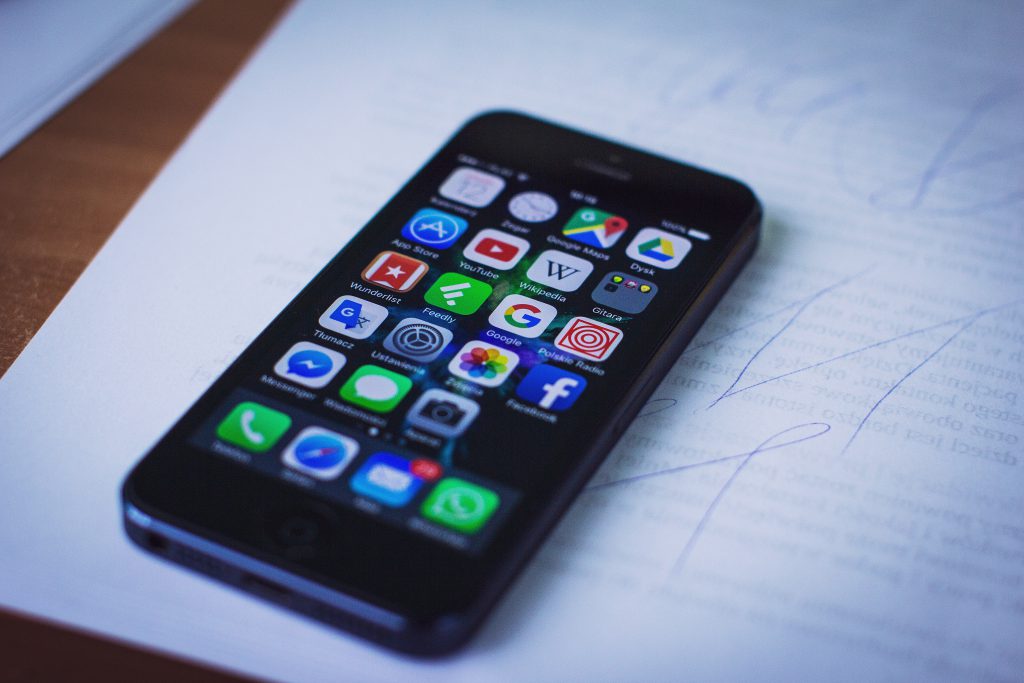
Out of the box: the device comes with the manufacturer’s custom skin (Funtouch UI 4. Should you loved this post and you would love to receive much more information with regards to 1xbet app ios assure visit the web site. x) layered on top of Google’s 8.1 release (Oreo). For many regional SKUs the vendor pushed an OTA package to move the build to 9.0 (Pie); users expecting releases past 9.0 should treat them as unlikely from official channels.
How to confirm your exact build: open Settings → About phone → Software information and check OS version, Build number and Security patch level. If the OS line shows a numeric value starting with 8.1, the box software is Oreo-era; 9.0 indicates the Pie-era update. Record the build number before attempting any manual modifications.
Safe update recommendations: install only vendor-signed OTAs via Settings → System update; back up user data first (full account sync + local backup). If no official updates are available for your SKU and you require a newer major release, consider reputable third-party ROMs listed on enthusiast sites (XDA Developers). Flashing custom firmware requires unlocking the bootloader, installing a custom recovery (TWRP), and following the ROM maintainer’s instructions precisely–proceed only if you accept warranty and security trade-offs.
Quick troubleshooting: if Settings reports the latest official build but apps require a newer platform, check for Google Play Services and app updates, clear app caches, and verify Play Store compatibility settings. For advanced needs (security patches, feature backports), look for vendor-provided security patches or well-maintained unofficial builds specific to your model.
At-a-glance Android version on Vivo Y95
Install the latest official firmware available: stock 8.1 (Oreo) with Funtouch OS 4.5 – check Settings > About phone > System updates and apply any OTA packages found.
Before applying updates: charge the battery above 50%, connect to a stable Wi‑Fi network, back up internal storage and contacts, note the current build number under Settings > About phone > Software information, and free at least 2 GB of internal storage for the OTA installer.
Quick technical snapshot – initial build: 8.1 (Oreo); UI skin: Funtouch OS 4.5; API level: 27. For verification on-device, inspect Security patch level and Build number in Software information.
If official updates are no longer provided, consider community firmware only after confirming device compatibility on recognized development forums; unlock the bootloader and install a trusted custom recovery, keep full backups, and expect warranty and stability trade-offs.
Advanced check (requires ADB): enable USB debugging, then run adb shell getprop ro.build.version.release and adb shell getprop ro.build.version.sdk to read the installed release and API level directly.
Original Android version at launch
Stock OS at release: 8.1 (Oreo) with Funtouch OS 4.5 – this is the factory firmware shipped with the handset.
- Launch period: October 2018.
- Factory security patch level: 2018-09 (September 2018) on most retail units.
- Preinstalled skin: Funtouch OS 4.5, including manufacturer UI tweaks, gesture controls and proprietary power-management tweaks.
- Official update path: only incremental OTA patches were commonly issued; a full major base upgrade was not widely rolled out for this model.
- Verify original build on the device: Settings → About phone → Software/OS information – the entry should show “8.1” or “Oreo”.
- Verify via ADB (fast check):
- adb shell getprop ro.build.version.release → returns “8.1”
- adb shell getprop ro.build.version.security_patch → returns security patch date (e.g., “2018-09-01”)
- Check build tags in recovery/download mode or the stock firmware file name to confirm retail ROM SKU before flashing any image.
- If you require a newer base, research official update availability in Settings → System update; if none, consult device-specific developer communities for custom firmware options.
- Before flashing custom or stock firmware: unlock bootloader only if supported, create a full backup (user data and EFS), confirm exact device SKU and firmware bundle to avoid bricking.
Realme 5i Android Version – What Android Version Does It Run?
Short answer: The 5i left the factory on Google’s mobile operating system release 9 (Pie) and many units received an official upgrade to release 10; for a secure and stable experience, accept the maker’s OTA or the official firmware package that matches your device codename.
How to verify your current build: Open Settings → About phone (or System) → Software information. Check the build number and the security patch level; those fields give the exact release number and the most recent monthly patch installed on the handset.
Advanced verification via PC: Enable USB debugging and run adb shell getprop ro.build.version.release to see the numeric OS release, adb shell getprop ro.build.version.sdk for the SDK level, and adb shell getprop ro.build.version.security_patch for the patch date.
Update routes: Use Settings → System → System update for over-the-air updates from the manufacturer. If you download firmware, use only the official support page and the file that matches the 5i codename. For third-party firmware, expect to unlock the bootloader, install a custom recovery, back up data, and accept warranty/security trade-offs.
Support window for this model typically included one major OS upgrade and about two years of security patches; confirm current lifetime and update availability on the manufacturer’s support portal or in device-specific community threads before planning major software changes.
OS Baseline: Android Version Shipped with Realme 5i
Shipped with Google’s mobile operating system 9 (Pie) paired with ColorOS 6.1; apply the available OTA that upgrades the handset to the 10-based UI release to obtain the next major feature set and recent security patches.
Verify current build: Settings → About phone → Software update. Before installing an OTA, back up user data, connect to a stable Wi‑Fi network, and ensure battery level is above 50%. If you have almost any issues concerning in which and how to make use of 1xbet sign up, you can email us with the site. Allow 15–30 minutes for a major upgrade and reboot when prompted.
If an update fails or causes instability, try clearing the system cache via recovery, then reattempt the OTA. For prolonged platform support, monitor official support pages for the 5i and prefer official firmware or verified vendor images rather than untrusted third-party packages.
Factory Android version
The 5i shipped from factory with build 9.0 (Pie) running ColorOS 6.0; verify this immediately via Settings → About phone → Software information and Security patch level.
To restore the original firmware, back up user data, charge the battery above 50%, then download the official stock package that exactly matches the model code on the box. Apply the package via the device’s Local Update or official recovery/fastboot procedure; do not flash files built for other model codes.
Initial security patch at launch was approximately December 2019; check the security patch date in About phone to confirm factory state. For OTA updates, retain the stock recovery and do not unlock the bootloader if you want to keep receiving official over-the-air releases.
If you plan a custom ROM or rollback, export IMEI and build identifiers first, keep a copy of the stock firmware, and note that unlocking the bootloader typically voids warranty and disrupts future official updates. When in doubt, use the vendor support site for the exact stock image and flashing instructions.
Samsung A52 Android Version — Current OS, Updates & Release Info
Upgrade to platform 13 (One UI 5) now for the best mix of security patches, app compatibility and interface refinements. When you loved this short article and you would like to receive more info relating to 1xbet login mobile i implore you to visit the website. If your device is still on platform 11 or 12, expect missing features (improved privacy controls, refreshed notifications, and revamped quick settings) and a higher risk from unpatched vulnerabilities.
Timeline facts: the handset launched on platform 11, received platform 12, and has been issued platform 13 in most regions. Security bundles were delivered monthly during the first 12–18 months after launch and moved to a quarterly cadence in many territories thereafter. Manufacturer policy for this product line generally includes three major platform upgrades while security bundles continue for several years; check the vendor support page for the exact entitlement tied to your sales region and IMEI.
How to proceed: back up your data, connect to a stable Wi‑Fi network, keep battery above 50%, then run the built‑in download-and-install flow from Settings → About phone → Download and install. If the over‑the‑air channel hasn’t supplied platform 13 for your region, retrieve official firmware only from the vendor’s servers and use the vendor desktop tool for flashing; do not use unverified third‑party packages. Verify the model code in Settings → About phone before flashing and note that manual flashing carries warranty and data-loss risks.
Current Android version on Galaxy A52
Check Settings → About phone → Software information immediately to verify the installed system build and Security patch level.
- What to read: look for Build number, Security patch level (date), and the UI release line shown under Software information; those three entries identify the exact firmware installed.
- Model differences: 4G and 5G hardware use different build prefixes and release timing; confirm your exact model code in About phone before comparing builds online.
- How to fetch the latest package: connect to a stable Wi‑Fi network, ensure battery ≥50% and free storage ≥2 GB, then open Settings → Software → Download and install to check for a new firmware package.
- When no OTA appears: use the vendor’s support app or the official support portal to check staged rollouts by region/carrier; carrier‑locked units often receive packages later than unlocked units.
- Before applying a new build: make a full backup (Settings → Accounts and backup or the vendor desktop tool), note the current build number, and save important app data; rolling back is not always possible without losing data.
- Security patch cadence: check the Security patch level date–monthly patches are typical; if your patch is older than three months, prioritize installing the next available package for vulnerability fixes.
- Where to check eligibility for future major platform upgrades: consult the device maker’s official support policy or the support page for your exact model to confirm how many major platform upgrades and years of security maintenance you can expect.
- Troubleshooting update failures: clear Settings cache (restart device; if installer fails, free additional storage, retry over Wi‑Fi, or use the vendor desktop utility to apply the package). Report persistent errors to official support with the current build number and error code.
Latest stable build number
Recommendation: Verify the full build string shown on your handset and install only the build whose identifier exactly matches your model number and region code; check Settings > About phone > Build number or dial *#1234# to read the exact firmware ID before proceeding.
Build identifiers follow a fixed pattern: product prefix + region/CSC + build tag (for example: XXXXXXYYU1ABC2 style). The stable candidate will be a signed production build with a visible build date and a security-patch timestamp – prefer the newest production-signed string released for your CSC.
To confirm stability and provenance: consult manufacturer firmware archives or well-known firmware repositories and match three fields exactly – model number, CSC/region, and the full build string. Verify the published changelog or carrier notes that accompany that build and confirm the file checksum (MD5/SHA256) if downloading a package.
Practical safety steps: back up user data; ensure battery ≥50%; do not flash packages for different model families or mismatched CSCs; if flashing manually, use the vendor-approved flashing tool and only signed images. After installation, perform a cache wipe and test core functions (calls, radios, camera) and check the security-patch date in Settings to confirm the expected build applied correctly.
What Android Version Is the Samsung Galaxy A71? – Latest OS & Update Info
Device originally shipped with OS 10 (One UI 2.x) in 2020; official upgrades delivered OS 11, OS 12 and OS 13 (One UI 5.0/5.1). If you loved this article and you would like to receive even more details regarding 1xbet apps kindly go to our web page. Most unlocked and many carrier variants now operate on One UI 5.1 (OS 13) as stable build. If current build shows an older major release, plan an upgrade to One UI 5.1 to get recent security patches, modern API support and refined privacy controls.
To verify current build open Settings > About phone > Software information and inspect One UI version plus OS base number. Record model code and modem/bootloader identifiers before searching firmware repositories, since region and carrier SKUs can carry different build numbers and patch dates.
If official over‑the‑air channel is not available use maker desktop software to flash an official firmware package; keep a full backup, ensure battery level above 50% and prefer stable Wi‑Fi for large downloads. For patch cadence and release notes consult maker support pages or carrier bulletins to confirm monthly versus quarterly security delivery for a specific market.
Current Android Version on the Galaxy A71
Recommended: keep device on OS 13 (One UI 5.1); target security patch level March 2024 or newer. To confirm current build, open Settings > About phone > Software information and note build number plus patch date.
Backup personal data to cloud or PC before any system change. To upgrade from an older release, record model code (starts with SM-A715), then use Smart Switch on PC or carrier/retailer service to install official firmware that matches model code and region.
Firmware naming pattern examples: SM-A715F/DS, SM-A715U, SM-A715W; builds often include region suffixes such as XXS, EUX, U1. Avoid unofficial repositories and mismatched builds; flashing wrong image can cause bootloop and void warranty.
Patch cadence varies by region and carrier: many units received monthly or quarterly security patches during 2023–2024. For extended support questions, provide IMEI and current build number when contacting carrier or vendor service.
Stock Android build number and release
Verify stock firmware build ID before flashing or troubleshooting: open Settings > About phone > Build number and Security patch level, note model code (SM-A715F or SM-A715U), then match build ID against vendor firmware archives or trusted repositories (Frija, SamMobile).
- Read build string: base tag (example: RP1A.200720.012) indicates OS base; subsequent segments show region/CSC, build sequence and compilation date.
- Confirm release date by checking firmware entry date on vendor support pages or repository changelogs; cross-check Security patch month inside About phone for consistency.
- Checksum verification: compare MD5 or CRC for downloaded packages before flashing to prevent corrupted installations.
- Safe flashing checklist: backup user data, charge battery to at least 50%, use stable Wi‑Fi for OTA retrievals, enable USB debugging only when required by manual tools.
- Rollback guidance: obtain signed stock package that matches model code and CSC; use Odin or official vendor flashing tool; avoid mixing firmware from different CSC families to prevent network or feature regressions.
- When reporting build-related problems, provide full build string, model code, CSC code and Security patch date to carrier or vendor support for faster diagnosis.