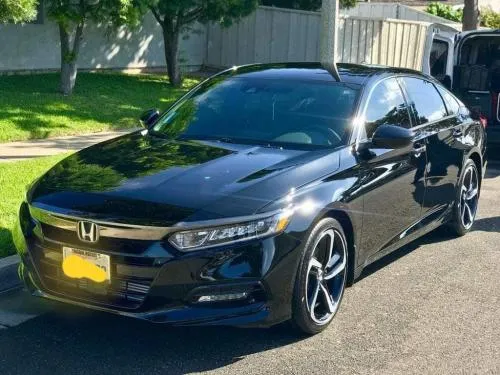
What Is Paint Correction? A Practical Guide from a Detailing Perspective
Understanding Paint Correction
Paint correction is the process of removing defects from a vehicle’s clear coat. These defects commonly include:
- Swirl marks from improper washing
- Fine scratches from daily use
- Oxidation that dulls the paint
- Water spots and mineral deposits
Most modern vehicles have a clear coat layer that sits above the paint. This is where the majority of visible imperfections exist. Paint correction works by leveling this clear coat using specialized tools and polishing compounds.
The key is precision. You’re removing just enough of the surface to eliminate defects—no more, no less.
Why Paint Correction Matters
Many car owners assume these imperfections are normal and unavoidable. While they are common, they’re not permanent.
Restoring Gloss and Depth
A scratched surface scatters light, which is why paint can appear dull or cloudy. Once corrected, the surface becomes smooth again, allowing light to reflect evenly. This creates that deep, glossy finish people often associate with well-maintained vehicles.
Preparing for Long-Term Protection
Paint correction is typically done before applying protective solutions like ceramic coatings. Without proper correction, you’re essentially locking in imperfections beneath the coating.
As explained in this guide on ceramic coating arlington tx, surface preparation is one of the most important factors in how well a protective layer performs and lasts over time.
Maintaining Vehicle Value
First impressions matter, especially when it comes to vehicles. Even minor paint defects can affect how a car is perceived. A properly corrected finish signals care and attention, which can positively impact resale value.
The Paint Correction Process
While the exact approach may vary, professional paint correction typically follows a structured method.
1. Deep Cleaning and Decontamination
Before any correction begins, the vehicle must be thoroughly cleaned. This includes:
- A careful hand wash
- Removal of iron particles using chemical treatments
- Clay bar decontamination to eliminate embedded debris
Skipping this step is a mistake I’ve seen more often than you’d think. Any leftover contaminants can interfere with polishing and even create new scratches.
2. Paint Inspection
This step involves assessing the paint under proper lighting. Detailers look for:
- The depth of scratches
- Areas with heavy swirl marks
- Paint thickness and condition
Not all defects can be safely removed, and knowing the difference is part of the expertise.
3. Compounding Stage
Compounding is the more aggressive phase. It uses cutting compounds to remove deeper imperfections.
This step requires control and experience. Too much pressure or an incorrect pad can cause haze or additional damage.
4. Polishing Stage
Polishing refines the surface after compounding. It removes any haze and enhances the overall gloss.
This is where the paint really starts to stand out. A properly polished surface reflects light clearly and evenly, giving the vehicle a clean, vibrant appearance.
5. Protection
After correction, the paint is protected using wax, sealant, or ceramic coating. This helps preserve the results and makes maintenance easier.
Levels of Paint Correction
Not every vehicle needs the same level of correction. The approach depends on the condition of the paint.
One-Step Correction
A single-stage polish that improves gloss and removes light imperfections. It’s ideal for newer vehicles or those with minimal damage.
Two-Step Correction
This involves compounding followed by polishing. It removes moderate defects and significantly improves clarity.
Multi-Step Correction
Used for heavily damaged paint, this process involves multiple stages to achieve the best possible finish. It requires more time and precision.
A Common Mistake I See Often
One thing I’ve consistently noticed is that many car owners unknowingly create paint defects themselves.
Improper washing is usually the main issue. Using old towels, a single bucket, or automatic car washes with harsh brushes can introduce swirl marks very quickly.
I’ve seen relatively new cars with noticeable paint damage simply because of poor washing habits. It’s a reminder that maintenance techniques matter just as much as professional services.
Insider Tips for Better Results
Tip 1: Always Check Your Paint in Natural Light
Garage lighting can hide imperfections. Step outside and inspect your car under sunlight. It reveals swirl marks and scratches much more clearly.
Tip 2: Use the Least Aggressive Method First
When correcting paint, always start with a mild polish and soft pad. Increase the intensity only if needed.
This approach preserves your clear coat and reduces the risk of over-correction.
How Often Should You Do Paint Correction?
Paint correction isn’t something you should do frequently. Since it involves removing a small amount of clear coat, it should be done only when necessary.
Most vehicles benefit from correction:
- Every few years, depending on wear
- Before applying a long-term protective coating
- When preparing the car for resale
Between corrections, proper care helps maintain the results.
Maintaining Your Paint After Correction
Once your paint has been corrected, keeping it in good condition becomes much easier—but it still requires attention.
Simple habits can make a big difference:
- Wash your car using proper techniques
- Use clean microfiber towels
- Avoid automatic car washes with abrasive brushes
- Apply protective products regularly
Think of paint correction as resetting your vehicle’s appearance. What you do afterward determines how long that finish lasts.
Final Thoughts
Paint correction is more than just a cosmetic upgrade—it’s a careful process that restores clarity, depth, and overall appearance. When done correctly, it can completely transform how your vehicle looks without altering the original paint.
What makes the biggest difference isn’t just the correction itself, but the understanding behind it. Knowing how defects form, how they’re safely removed, and how to prevent them going forward gives you a clear advantage as a vehicle owner.
Anda Mungkin Suka Juga

SMA Negeri 1 Matauli Plus Pandan Tapteng Resmi melaksanakan Seleksi Penerimaan Murid Baru Jalur Routing
Komunitas Perduli Bangsa Deklarasi Partai Baru