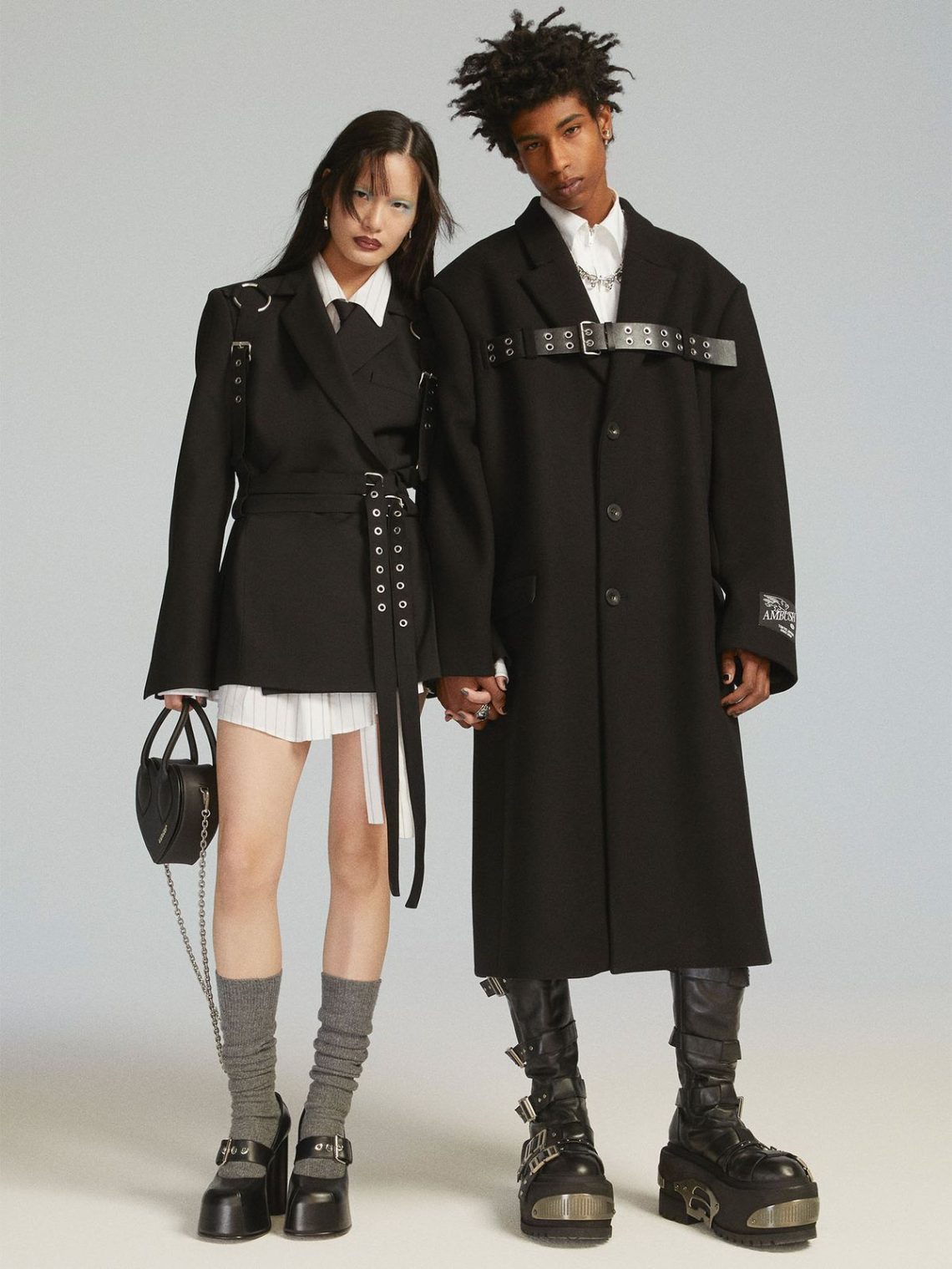
Model Fashion Clothes in 2026 – Sustainable Fashion and the Future of Clothing Industry
Model Fashion Clothes in 2026 – Sustainable Fashion and the Future of Clothing Industry
Introduction
In 2026, sustainability is no longer just a trend in fashion—it is a requirement. The global clothing industry is rapidly changing due to environmental concerns, ethical production demands, and consumer awareness. Models play a major role 99formed.com in promoting sustainable fashion by representing eco-friendly brands and showcasing clothing made with responsible materials and processes.
The Rise of Sustainable Fashion
Sustainable fashion focuses on reducing environmental impact while maintaining style and quality. In 2026, many fashion brands are shifting toward greener production methods.
Key features of sustainable fashion include:
- Recycled fabrics and materials
- Organic cotton and natural fibers
- Reduced water and energy consumption in production
- Ethical labor practices
Models are often seen promoting these values on runways and campaigns.
Eco-Friendly Fabrics and Materials
Modern fashion designers are experimenting with innovative materials that are both stylish and environmentally friendly.
Popular materials include:
- Recycled polyester from plastic waste
- Bamboo fiber clothing
- Organic linen and cotton
- Plant-based leather alternatives
These materials help reduce pollution while still offering high-quality fashion designs.
Slow Fashion Movement
Unlike fast fashion, which focuses on mass production, slow fashion emphasizes quality over quantity.
Slow fashion principles:
- Fewer but longer-lasting clothing pieces
- Ethical production processes
- Timeless designs instead of short-term trends
- Focus on durability and craftsmanship
Models often represent brands that support this movement to encourage responsible consumption.
Ethical Fashion and Fair Trade
Ethical fashion ensures that workers involved in clothing production are treated fairly and work in safe conditions.
Important aspects include:
- Fair wages for workers
- Safe working environments
- Transparent supply chains
- Respect for human rights
Consumers in 2026 are more interested in where their clothes come from, making ethical fashion more important than ever.
Digital Fashion and Reduced Waste
Technology has introduced digital fashion, which helps reduce physical waste in the industry.
Examples include:
- Virtual clothing worn in digital environments
- AI-generated fashion designs
- Online fashion shows instead of physical events
- Digital try-on systems for customers
Models now participate in both physical and virtual fashion spaces.
Sustainable Streetwear and Everyday Fashion
Even casual fashion has become more eco-conscious. Streetwear brands are now using sustainable materials and ethical production methods.
Popular sustainable styles:
- Recycled denim jeans
- Organic cotton hoodies
- Eco-friendly sneakers
- Minimalist sustainable outfits
Models help bring attention to these eco-friendly street styles.
The Role of Models in Promoting Sustainability
Models in 2026 are not just fashion icons—they are also environmental advocates. Many use their platforms to promote awareness about sustainability.
Their roles include:
- Representing eco-friendly brands
- Promoting recycling and responsible consumption
- Supporting green fashion campaigns
- Educating audiences through social media
Conclusion
Model fashion in 2026 is strongly influenced by sustainability, ethics, and environmental responsibility. The industry is moving away from fast fashion toward more thoughtful, eco-friendly practices.
Models play a key role in this transformation by showcasing sustainable clothing and inspiring people to make better fashion choices. The future of fashion is not only about style—it is about responsibility, innovation, and protecting the planet.
Anda Mungkin Suka Juga

Tarik Motor Secara Paksa, Tiga Debt Collector Diamankan Polsek Kalideres

Polda Kalteng Buka Penerimaan Bintara Brimob Tahun 2025, Ini Syarat dan Ketentuanya