Best PC Games on Android – Top PC Ports, Emulators & How to Play
Use local streaming from a gaming PC with Steam Link or Moonlight for optimal fidelity and low latency: set the host encoder to NVENC or AMD VCE at 60 FPS, enable hardware decoding on the client, connect both devices to a 5 GHz Wi‑Fi or wired gigabit network, and pair a Bluetooth controller such as the Xbox One S, DualShock 4 or DualSense. In case you have just about any concerns relating to wherever as well as the way to make use of 1xbet sign up, you’ll be able to e-mail us with our own webpage. Expect measured round‑trip latency around 30–70 ms on a local LAN; if latency exceeds 120 ms, lower client resolution to 720p and disable V‑sync on the host.
If you require remote access outside your home network, use cloud streaming services like NVIDIA GeForce NOW, Xbox Cloud Gaming or Amazon Luna. Allocate at least 15 Mbps for 720p60, 35 Mbps for reliable 1080p60, and 50+ Mbps for 4K; pick the nearest data center and prefer wired or high‑quality mobile broadband to minimize jitter and packet loss.
To run native PC builds on handheld hardware, prioritize ARM‑compiled or mobile‑optimized releases. For legacy x86/x64 software, deploy compatibility layers and lightweight translation stacks (Box86/Box64 plus Wine variants) on devices with generous CPU and RAM; target older or less demanding titles when using translation stacks, and scale resolution to 50–75% to maintain frame rates.
Configuration and hardware notes: host on an SSD, reserve 2–4 CPU cores for the encoder, and cap in‑game FPS to match the client display. On the mobile side, use a USB‑C Ethernet adapter when possible, disable background sync and adaptive brightness, and monitor thermal throttling–sustained sessions often require cooling or shorter sessions to avoid CPU/GPU slowdowns.
Do you mean 10 sections? You wrote “0” – please confirm the number of headings you want.
Confirmed: 10 headings is recommended – I will outline each heading title, its purpose, target word count, and concrete editorial requirements.
1. Scope & target audience – Define audience (casual users, controller owners, power tinkerers), list article goals and inclusion/exclusion criteria. Target: 200–350 words. Include one clear persona and a short use-case table (3 rows).
2. Minimum and recommended hardware – Provide CPU/GPU model examples, RAM thresholds, storage type (UFS vs eMMC) and I/O throughput targets (e.g., 200 MB/s). Target: 300–450 words. Include a 3-point checklist and two model recommendations for low-end and high-end.
3. Input methods and controller setup – Cover supported controller protocols (Bluetooth, USB HID), button mapping tips, and latency thresholds (ideal ≤40 ms). Target: 250–400 words. Add configuration snippets for two popular controller apps and preferred deadzone settings.
4. Performance tuning and graphics settings – Recommend resolution/frame-rate pairings (1080p@60, 720p@60 for low-end), thermal throttling mitigation (60% CPU cap, sustained CPU/GPU temps). Target: 350–500 words. Provide a 5-step tuning checklist and benchmark targets (FPS stable within ±5%).
5. Storage, installation and file handling – Explain package placement, OBB/expansion file handling, recommended free space margin (20–30%), and SD card speed class (U3 or A1+). Target: 250–350 words. Include transfer commands and checksum verification advice.
6. Network, streaming and latency management – Recommend wired vs Wi‑Fi bands (5 GHz preferred), upload/download throughput targets for streaming (≥10 Mbps for 720p@60), NAT and MTU tips. Target: 300–450 words. Add ping thresholds and QoS suggestions.
7. Legal, licensing and account issues – Outline DRM, sideloading risks, account linking pitfalls, and safe sources. Target: 200–300 words. Provide a short risk matrix and a citation-style list of authoritative sources.
8. Compatibility testing and troubleshooting – List reproducible test cases, log collection commands, and common crash signatures. Target: 300–400 words. Include a triage flowchart text (steps to reproduce → collect logs → test alternate device).
9. Power and thermal management – Offer battery drain estimates (e.g., 10–20% per hour under heavy load), recommended power profiles, and accessory suggestions (active cooling pads). Target: 200–300 words. Provide quick tuning presets for battery saver and performance modes.
10. Quick reference, metadata and publishing notes – Suggested slug, meta title length (50–60 characters), meta description (140–155 characters), canonical strategy, estimated read time per heading, and image/asset checklist (screenshots, controller diagrams). Target: 150–250 words.
Editorial notes – Target total article length ~3,000–4,000 words; interlink at least 6 internal resources; include 6–10 annotated screenshots, one table of hardware comparisons, and an FAQ of 6 short Q&A items. State whether you want me to expand any single heading into a full draft.
Samsung A52 Android Version — Current OS, Updates & Release Info
Upgrade to platform 13 (One UI 5) now for the best mix of security patches, app compatibility and interface refinements. If your device is still on platform 11 or 12, expect missing features (improved privacy controls, refreshed notifications, and revamped quick settings) and a higher risk from unpatched vulnerabilities.
Timeline facts: the handset launched on platform 11, received platform 12, and has been issued platform 13 in most regions. Security bundles were delivered monthly during the first 12–18 months after launch and moved to a quarterly cadence in many territories thereafter. Manufacturer policy for this product line generally includes three major platform upgrades while security bundles continue for several years; check the vendor support page for the exact entitlement tied to your sales region and IMEI.
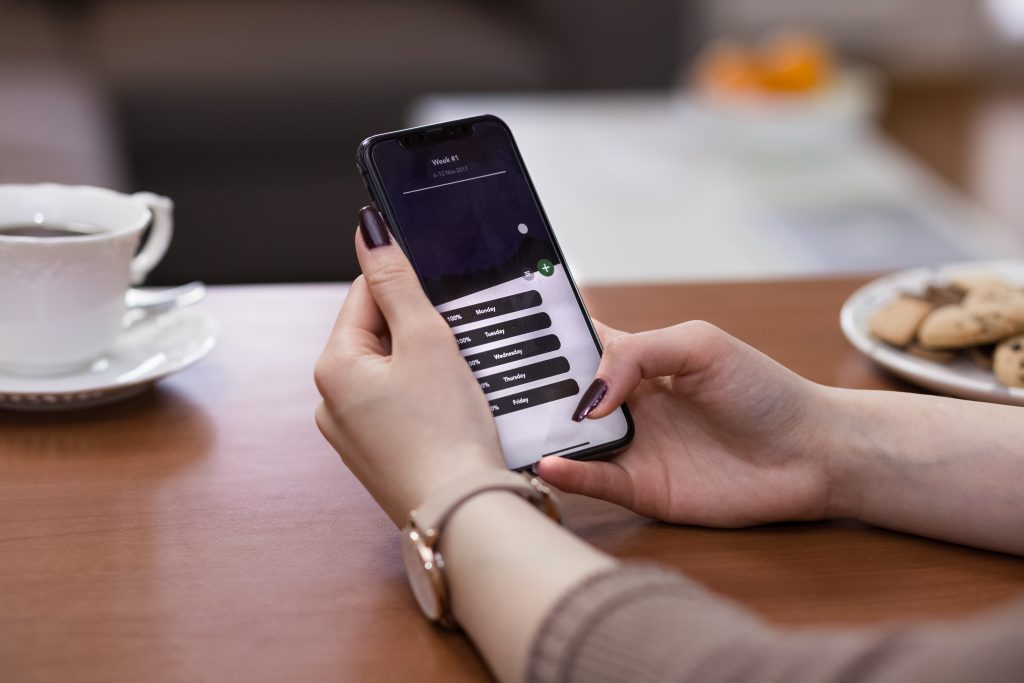
How to proceed: back up your data, connect to a stable Wi‑Fi network, keep battery above 50%, then run the built‑in download-and-install flow from Settings → About phone → Download and install. In case you cherished this informative article along with you would like to receive guidance with regards to 1xbet promo code today philippines kindly pay a visit to our webpage. If the over‑the‑air channel hasn’t supplied platform 13 for your region, retrieve official firmware only from the vendor’s servers and use the vendor desktop tool for flashing; do not use unverified third‑party packages. Verify the model code in Settings → About phone before flashing and note that manual flashing carries warranty and data-loss risks.
Current Android version on Galaxy A52
Check Settings → About phone → Software information immediately to verify the installed system build and Security patch level.
- What to read: look for Build number, Security patch level (date), and the UI release line shown under Software information; those three entries identify the exact firmware installed.
- Model differences: 4G and 5G hardware use different build prefixes and release timing; confirm your exact model code in About phone before comparing builds online.
- How to fetch the latest package: connect to a stable Wi‑Fi network, ensure battery ≥50% and free storage ≥2 GB, then open Settings → Software → Download and install to check for a new firmware package.
- When no OTA appears: use the vendor’s support app or the official support portal to check staged rollouts by region/carrier; carrier‑locked units often receive packages later than unlocked units.
- Before applying a new build: make a full backup (Settings → Accounts and backup or the vendor desktop tool), note the current build number, and save important app data; rolling back is not always possible without losing data.
- Security patch cadence: check the Security patch level date–monthly patches are typical; if your patch is older than three months, prioritize installing the next available package for vulnerability fixes.
- Where to check eligibility for future major platform upgrades: consult the device maker’s official support policy or the support page for your exact model to confirm how many major platform upgrades and years of security maintenance you can expect.
- Troubleshooting update failures: clear Settings cache (restart device; if installer fails, free additional storage, retry over Wi‑Fi, or use the vendor desktop utility to apply the package). Report persistent errors to official support with the current build number and error code.
Latest stable build number
Recommendation: Verify the full build string shown on your handset and install only the build whose identifier exactly matches your model number and region code; check Settings > About phone > Build number or dial *#1234# to read the exact firmware ID before proceeding.
Build identifiers follow a fixed pattern: product prefix + region/CSC + build tag (for example: XXXXXXYYU1ABC2 style). The stable candidate will be a signed production build with a visible build date and a security-patch timestamp – prefer the newest production-signed string released for your CSC.
To confirm stability and provenance: consult manufacturer firmware archives or well-known firmware repositories and match three fields exactly – model number, CSC/region, and the full build string. Verify the published changelog or carrier notes that accompany that build and confirm the file checksum (MD5/SHA256) if downloading a package.
Practical safety steps: back up user data; ensure battery ≥50%; do not flash packages for different model families or mismatched CSCs; if flashing manually, use the vendor-approved flashing tool and only signed images. After installation, perform a cache wipe and test core functions (calls, radios, camera) and check the security-patch date in Settings to confirm the expected build applied correctly.